Cycle ride

The Khartoum gauntlet

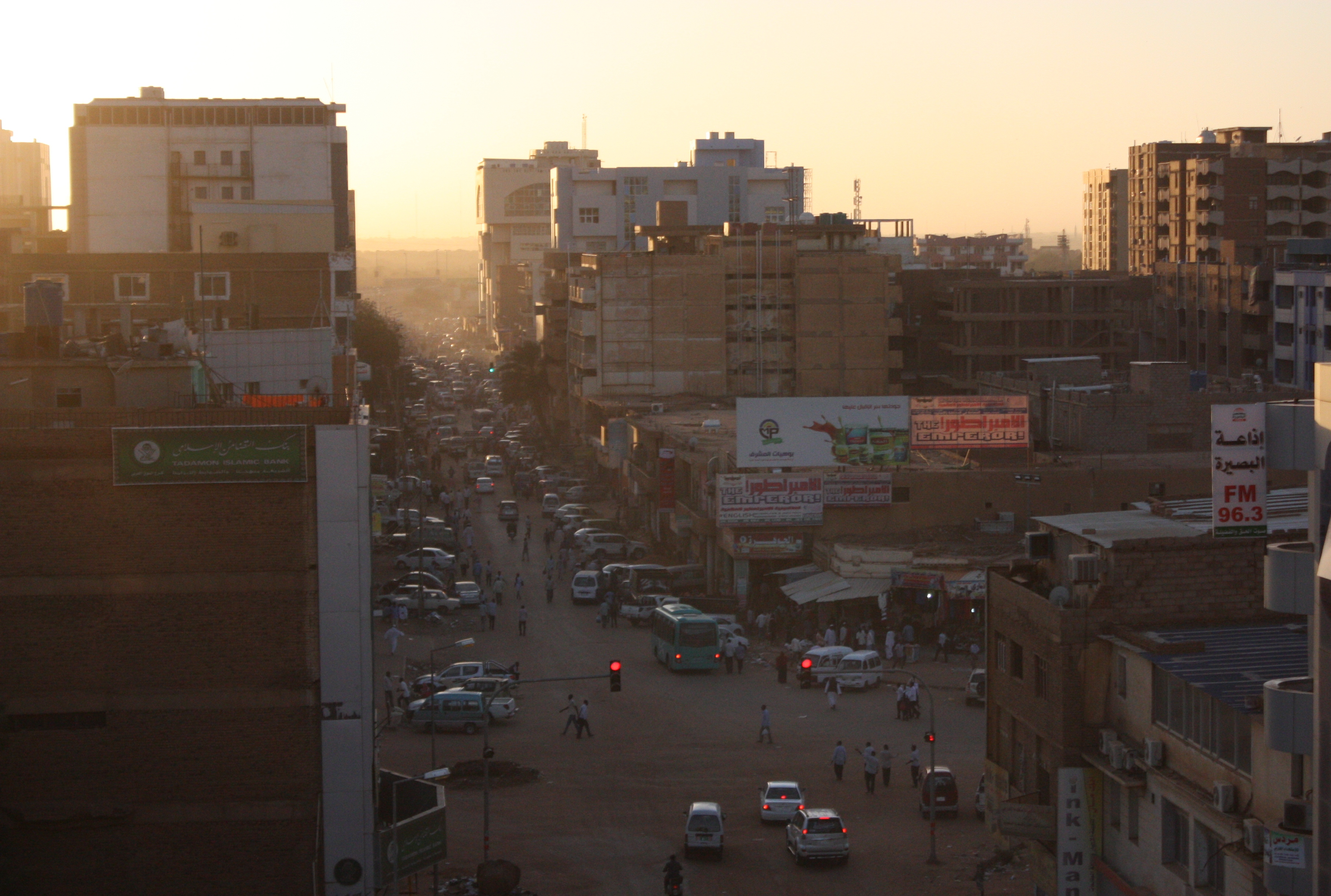
It is hard to imagine that anything could adequately prepare you for a bicycle approach into the city of Khartoum – as an experience, it fell  exactly between exhilarating and traumatic. We found ourselves racing to beat the setting sun as we approached the outskirts of the chaos, which ultimately turned out to be a race in which we were comprehensively beaten. Negotiating the traffic, potholes, herds of cattle and hordes of people without the aid of a single road sign was not the ideal way to close off a 130km day. As night fell, a chirpy tuktuk driver pulled alongside to have a good chuckle at our situation, before advising us to be ‘very careful’; which, without wanting to seem ungrateful for the inside information, did seem to be pointing out the glaringly obvious.

After overcoming the above, the city itself provided a much-needed and relatively comfortable rest stop. In some positive news, we secured our Ethiopian visa in record time, although this has been offset by the sad news that our i-pod has broken. It’s been a roller-coaster week.

Downtown Khartoum


No bicycle required

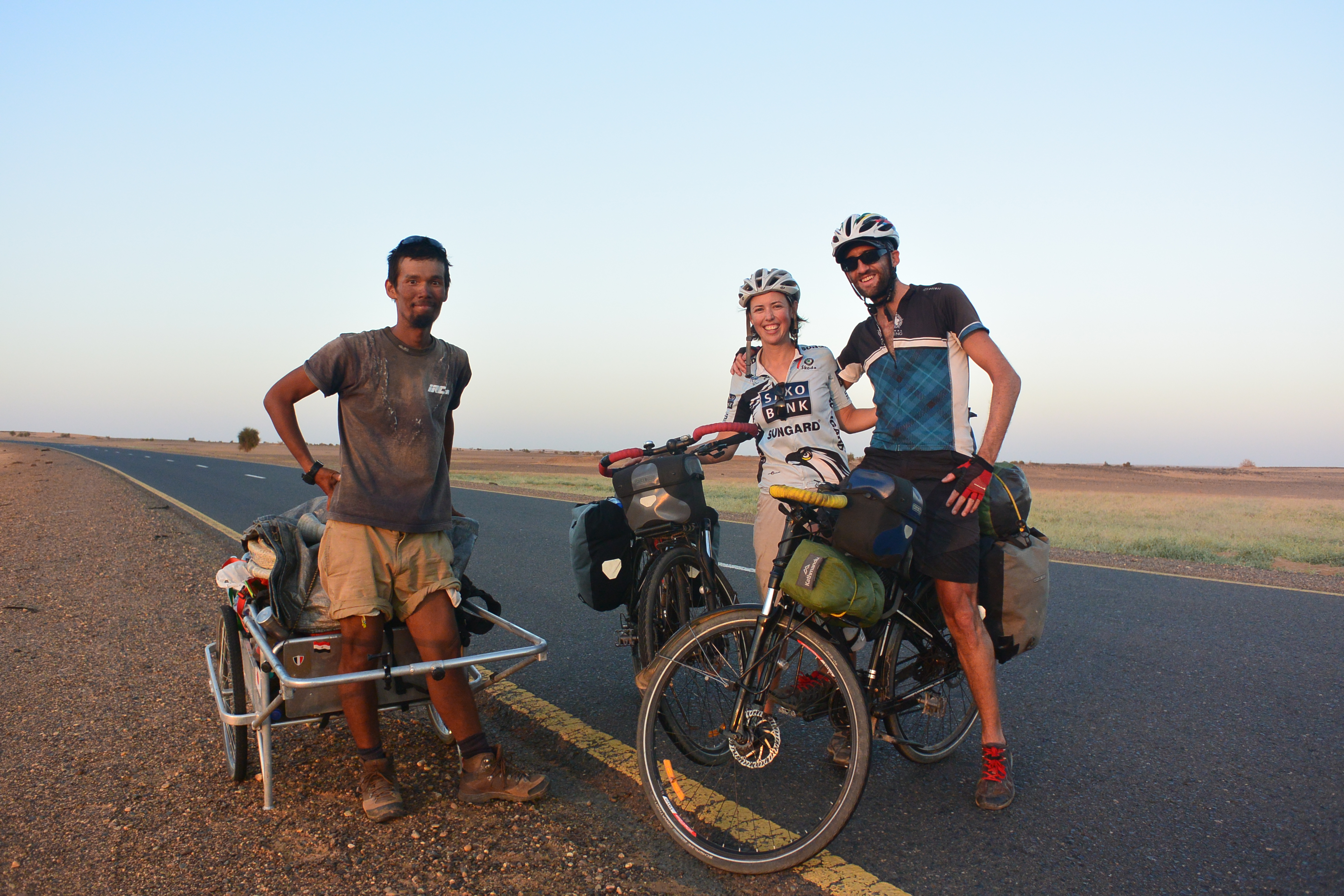
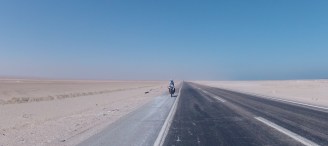
As Sudan is entering winter at the moment, the temperature has plummeted to a frosty 39 degrees centigrade, which – if nothing else – has settled the question of whether this exercise would provide any level of enjoyment during the height of summer. As we made our way across some desolate terrain, and despite being reminded by the locals that these were indeed the cooler months, it certainly felt as though we were toughing it out in Africa. That is, until we met Masahito Yoshida.

We had met this remarkable Japanese round-the-world walker earlier in the week, and he had since leapfrogged us while we took a detour to Karima; home to the slightly underwhelming Sudan pyramids, given our recent trip to Giza.

Sudan’s pyramid efforts.

Masahito has spent the last 5 years walking around the planet (from Shanghai to Portugal, across the States, through Australia, then back to Shanghai), and now plans to tread a slow path to Cape Town. As we struggled through the heat and wind of the Sudanese desert, we soon stopped feeling too sorry for ourselves after contemplating this journey without a bike or a companion. The resilience and dedication required for what Masahito has achieved is astonishing. Bravo Masahito and good luck.

55km into his 60km day.

Some further info here:

http://alkinist.blog111.fc2.com

http://www.bbc.com/news/blogs-news-from-elsewhere-29108771

Northern Sudan

Our preparations for entry into Sudan were neither straightforward nor particularly cheap, and so we were relieved to have finally made it over the land border from Egypt. Once safely in however, more admin followed with the mandatory foreigner registration process at the local police station. There was some confusion during this final phase, between the word ‘tourist’ and the word ‘terrorist’, which is a distinction we were eager to clarify. With some rather crude charade skills we managed to iron out the language problems, assuring the police Captain that we represented the former, and wished to stay very much clear of the latter.
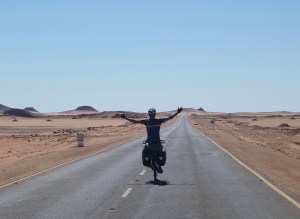
Pleased to have made the first kilometre of Sudan.

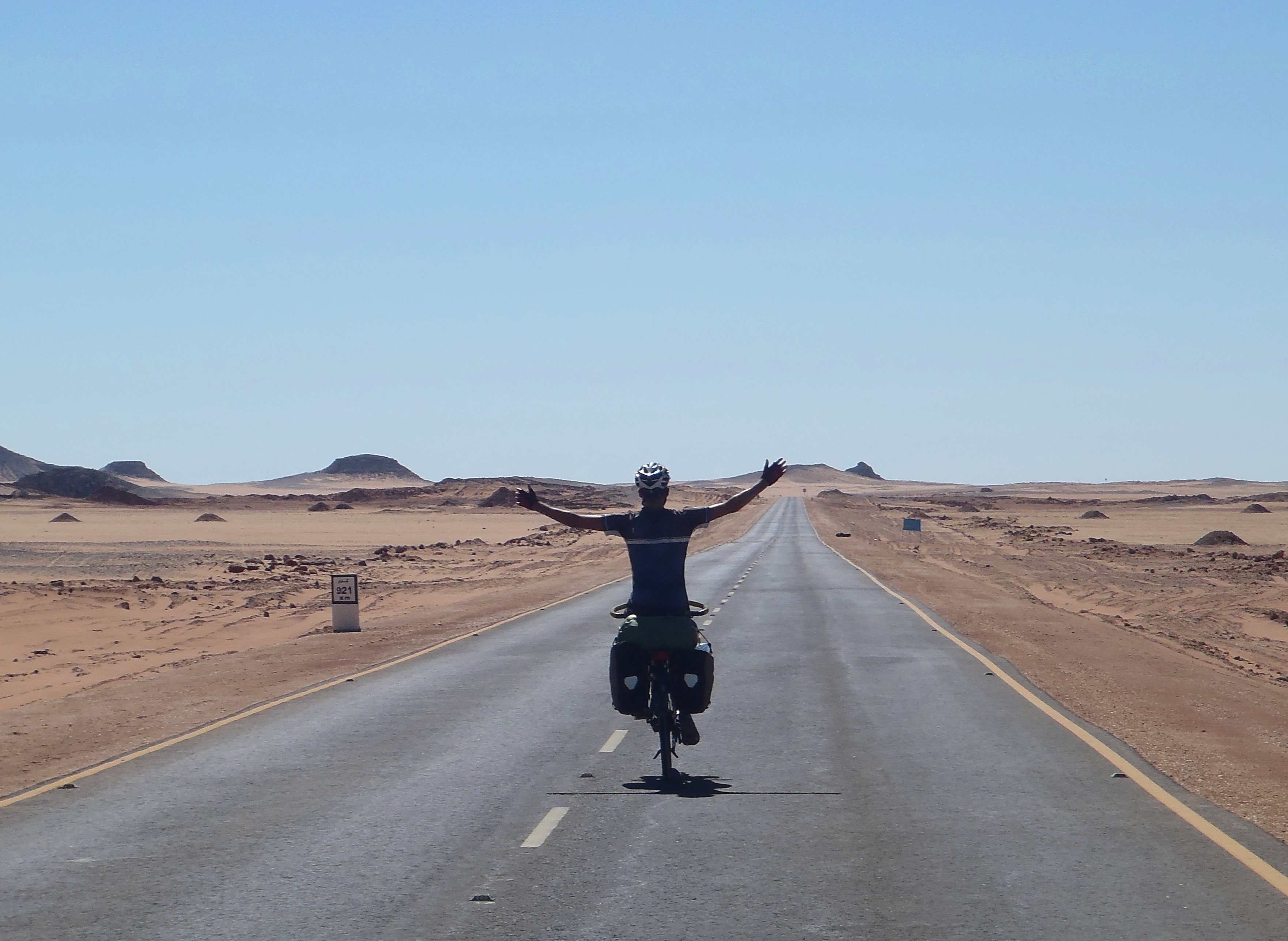
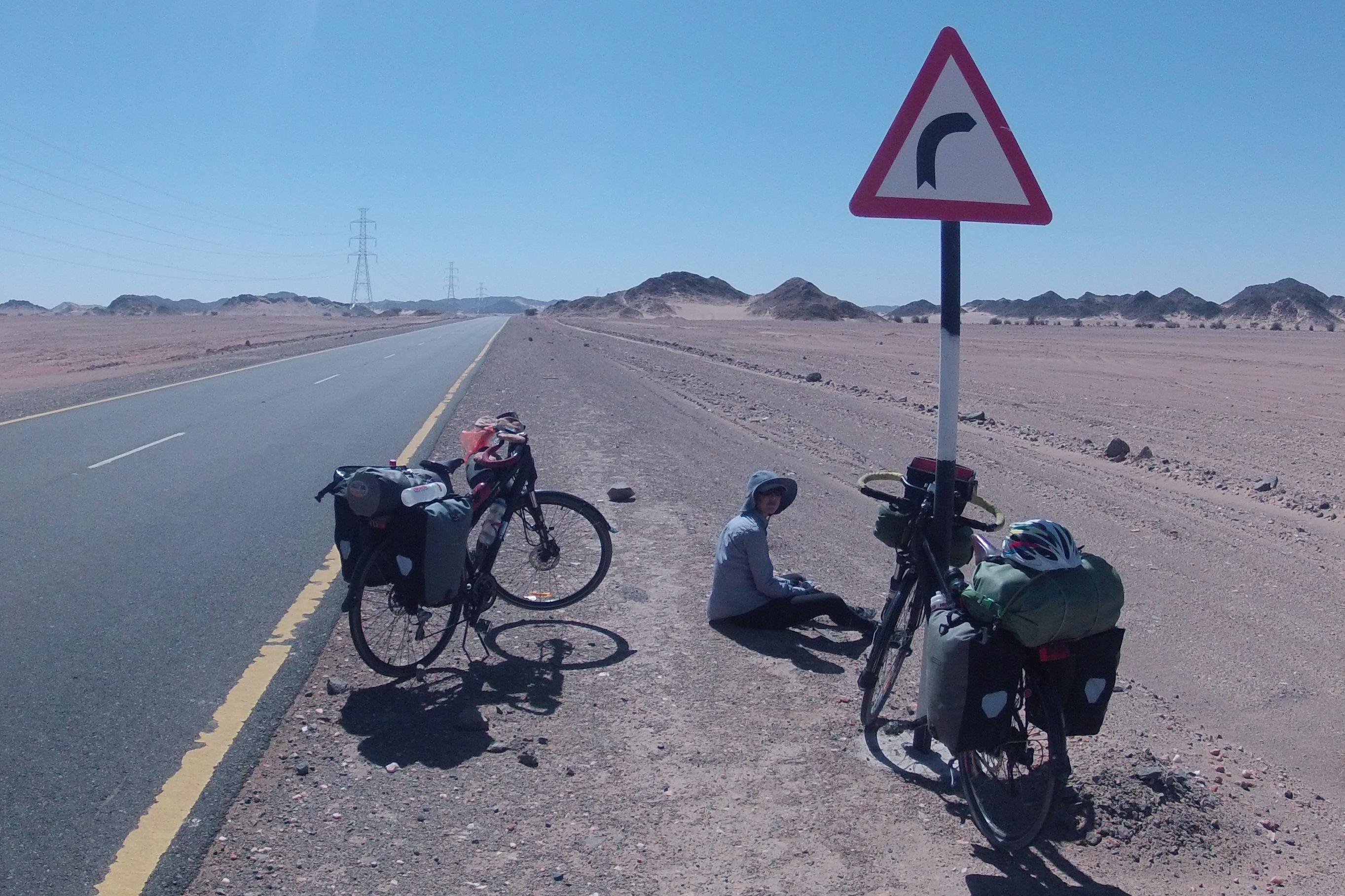
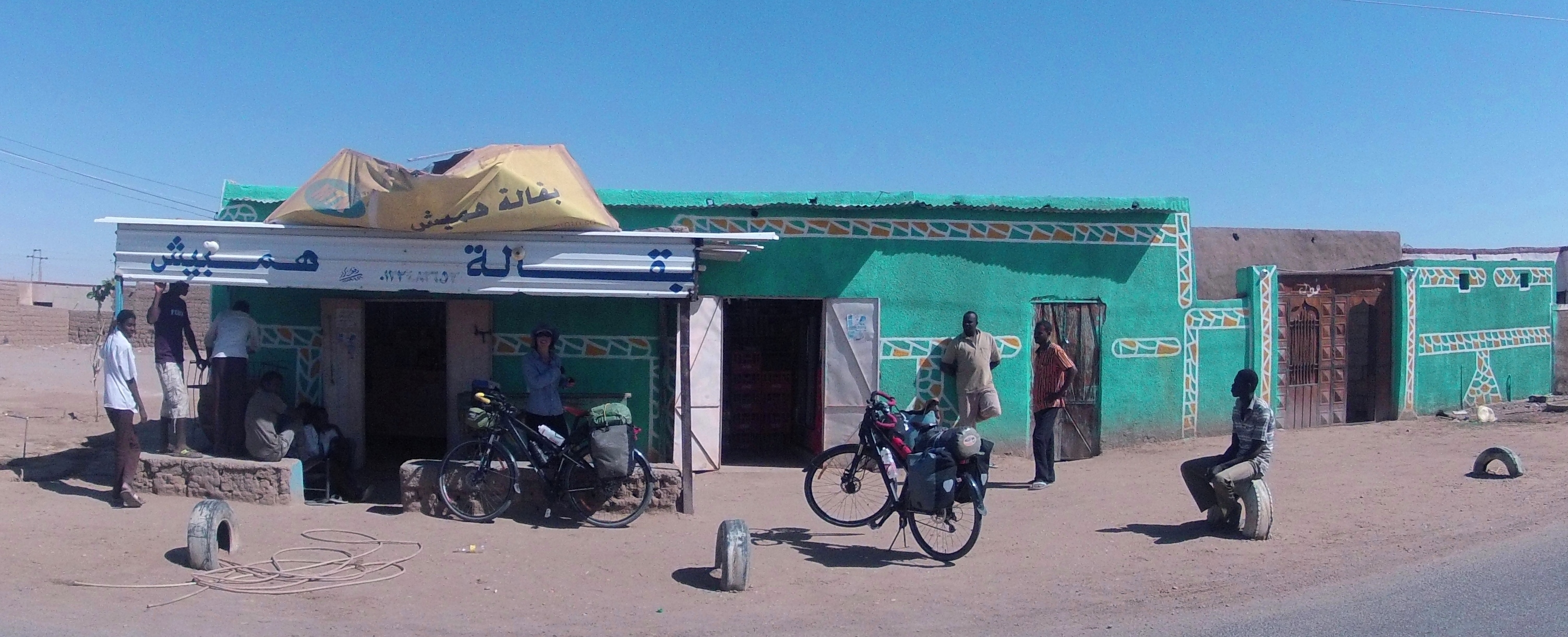
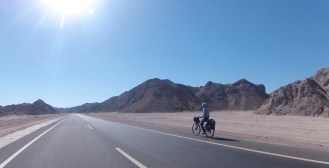
The desert roads of Sudan have turned the heat on us once again, and as we pedal through a region which would appear to experience rainfall once every Haley’s comet, our bikes are regularly creaking under the additional weight of carrying the necessary water supplies. Of more noteworthy mention however, are the towns and villages en route, which have provided not only great hospitality but also much entertainment.
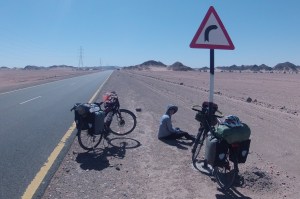
Hot, dry and isolated riding.

Meal times are interesting, as we make our way into some smoke-filled cooking area/shack where something will be bubbling away in a quite outrageously large pan. Once we have established that it is ‘food’ bubbling away, we request ‘two foods’ and then take the least broken chair we can find to enjoy whatever is bought over to us.

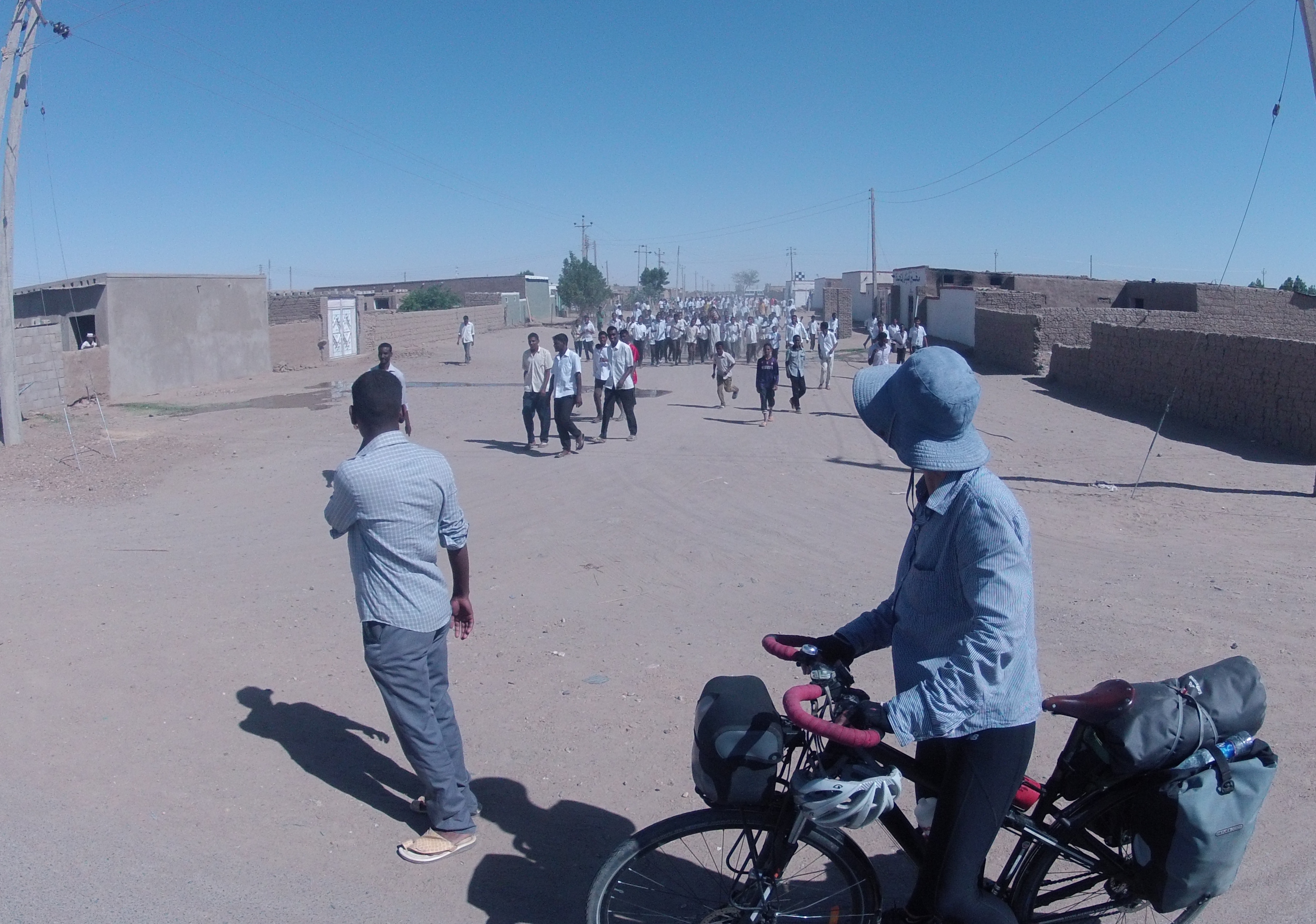
Our method of transport is certainly turning heads, and in fact sometimes it would be hard to imagine a much greater reaction had we arrived into town in a space shuttle. In a memorable moment entering the village of Abri, we were met at a crossroads by a jubilant crowd of school children celebrating their latest football victory; both parties equally confused by the other, before each going our separate ways (though we still remain unsure as to who they had beaten to warrant such a celebration, given that no other settlement existed for around 100km).
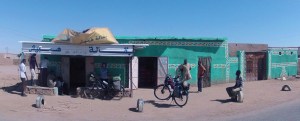
Every stop prompts a bit of a crowd.
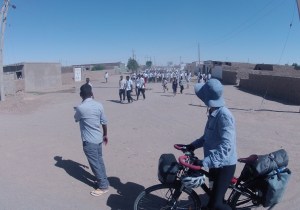
The successful – and noisy – football team.

Overall, and despite the apparent attempts of every bus driver to break the land speed record, our ride through northern Sudan has been a joy.
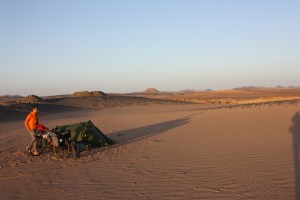
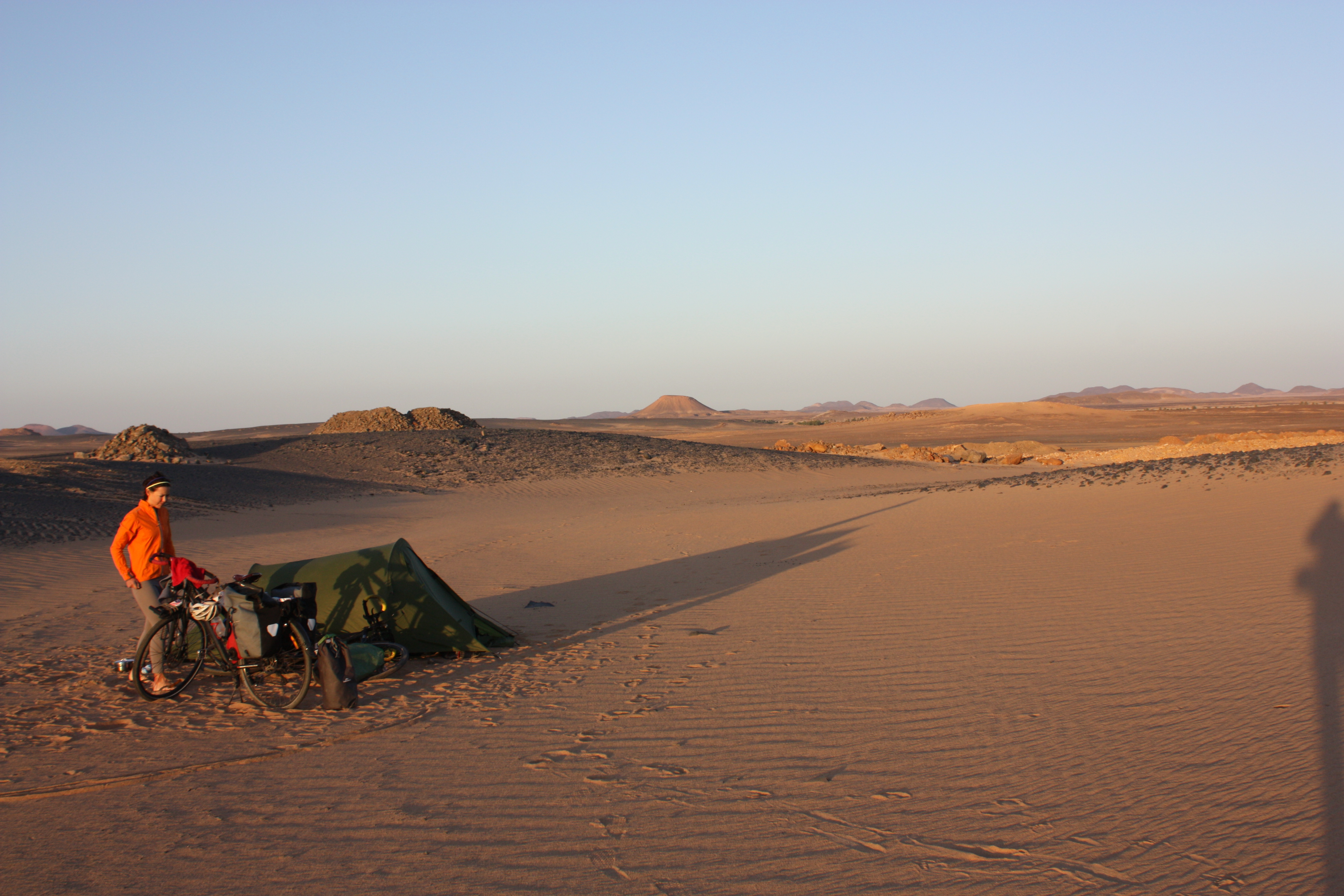
Sudan has also provided some winning camp spots.
Getting out

We made a cracking pace through Egypt, due in no small part to the excellent roads and favourable winds. Southern Egypt provided us some logistical challenges as we worked for permission to pass on roads without an escort, but persistence paid off and after signing our own indemnity we enjoyed some secluded riding through pretty unique and barren landscapes. We managed to improve our personal best by covering 270km within 24hours, to arrive exhausted into the warm welcome of Abu Simbel; a town on Lake Nasser that we will remember as much for its main Temple attraction, as the good folks of the town whom among other things, served up some fine fish dinners.

However, our lasting and quite fitting image of Egypt will be that of our two bicycles propped on their stands in front of the very final (unmanned) locked gate in the border crossing process. In what was never going to be a speedy affair, we had jumped through every hoop and collected every piece of seemingly superfluous paperwork, but still found ourselves agonisingly short of no-man’s land. As an ‘official’ (wearing a Barcelona football shirt – and who almost certainly didn’t play for them) resting in a broken plastic chair bellowed in vain for someone to open the padlock, we had almost lost the will to try anymore. After much gesticulation and waiting many ‘1-minutes’, a second official found the requisite key and shuffled over to release us from this farcical country. Phew.

Rude Awakening

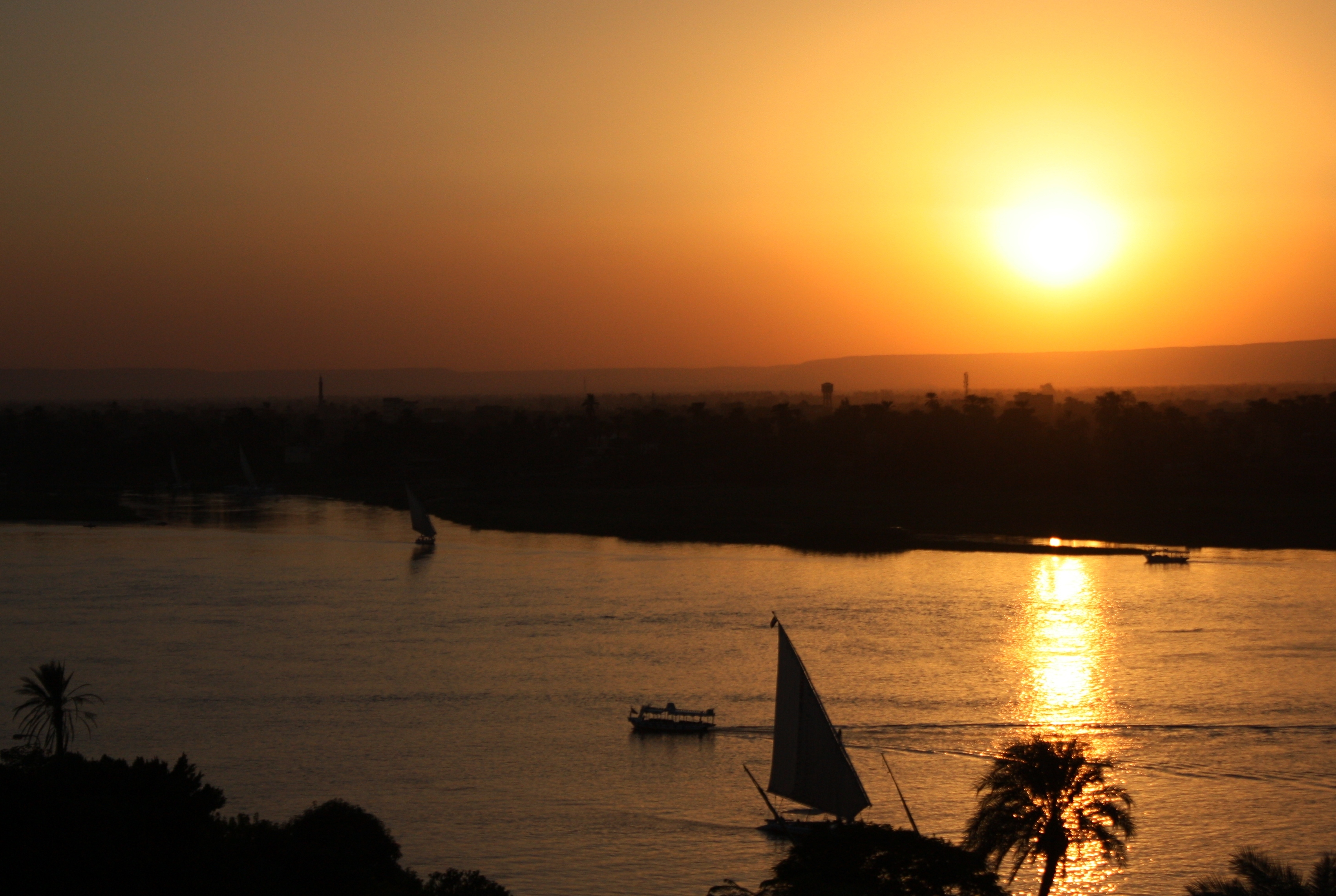
One recurring feature which seems to dominate a journey of this nature is the uncertainty of where exactly each day will end. When not required to camp out, we frequently find ourselves settling for the night in some quite hideous establishments, which could claim only a very loose association with the hospitality industry. Occasionally however, we stumble upon an affordable and surprisingly excellent hotel in the centre of Luxor, boasting rooftop views of the captivating River Nile. This good fortune was particularly well timed, given that our patience with Egypt was starting to wear a little thin.

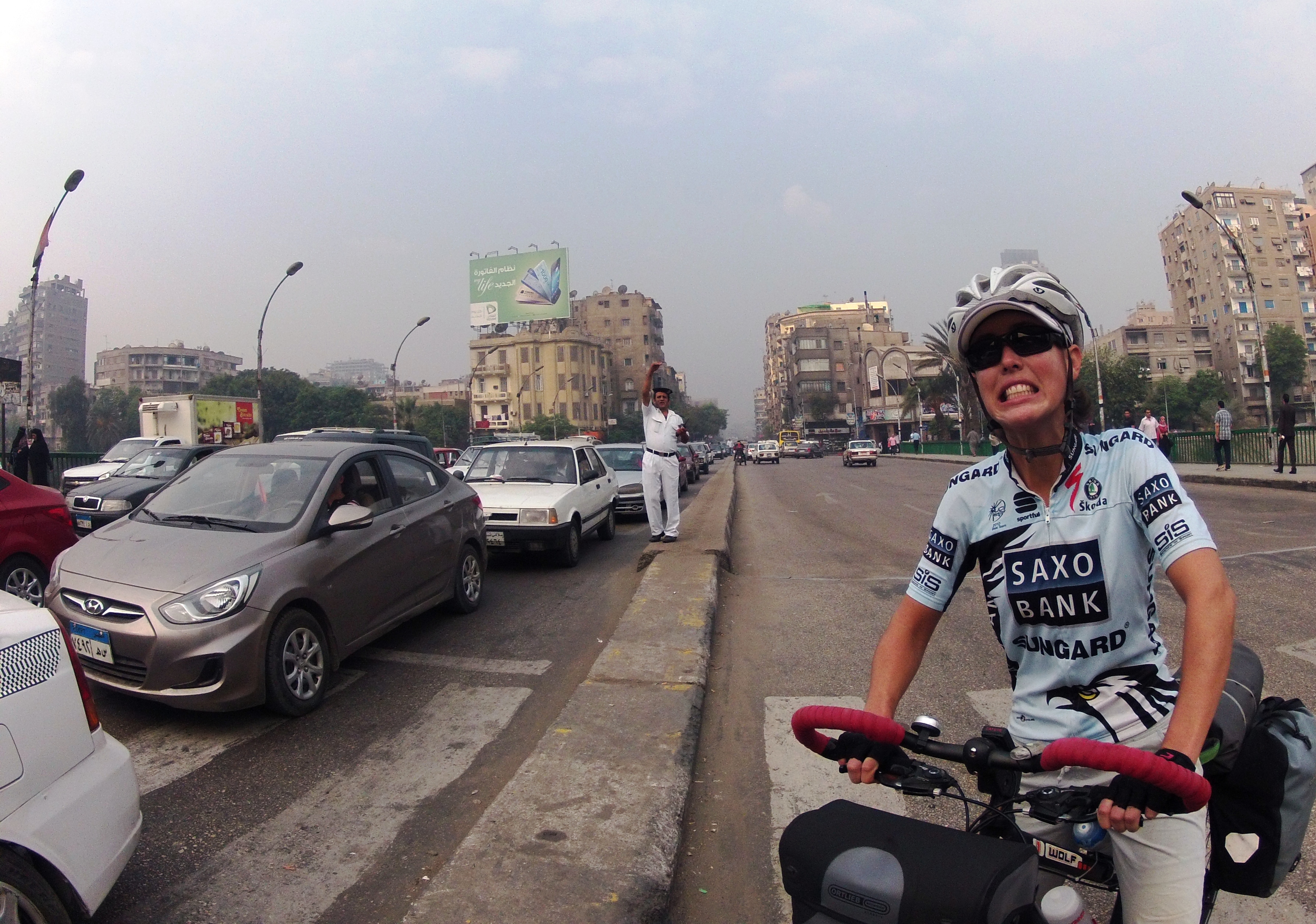
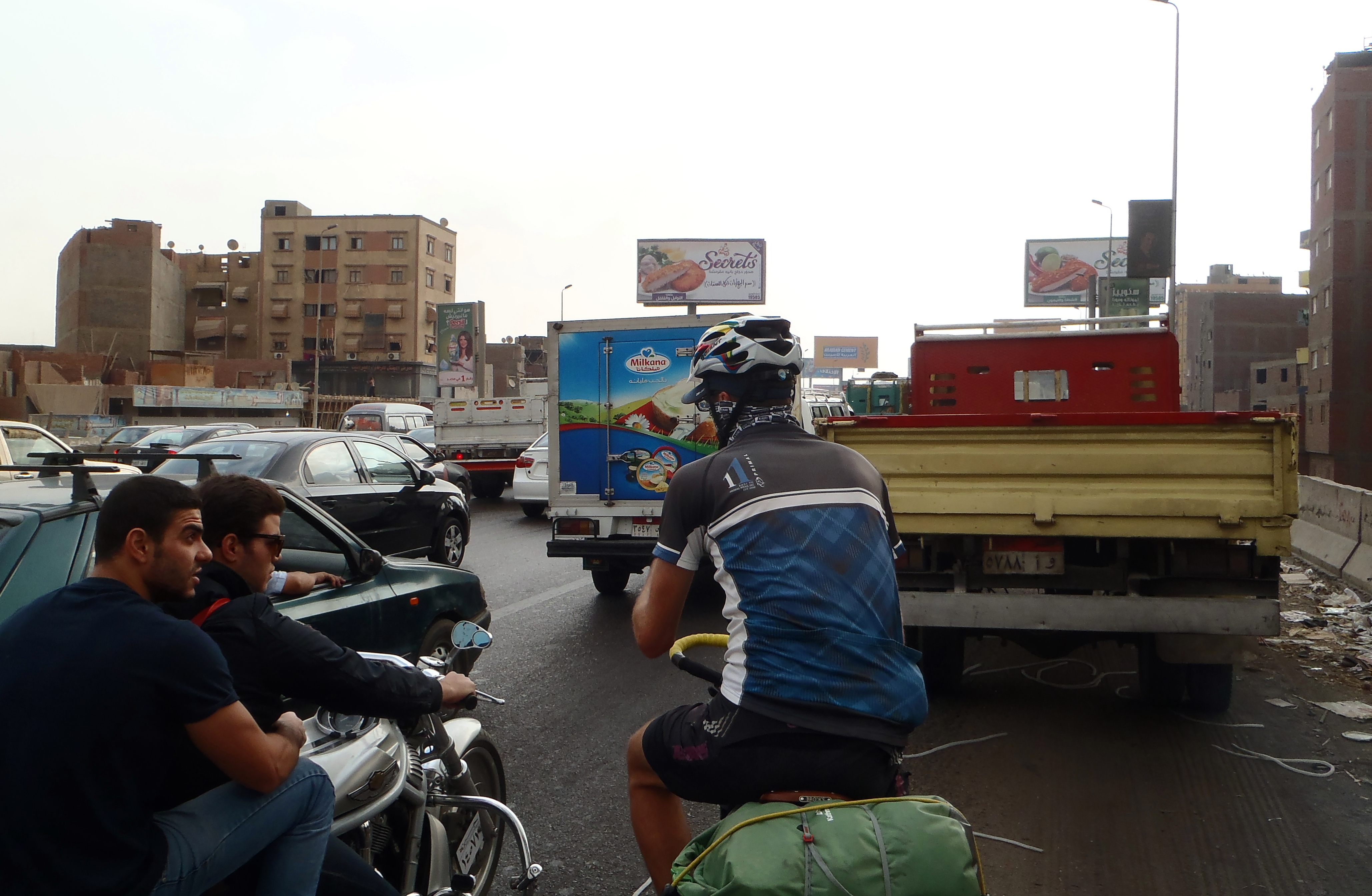
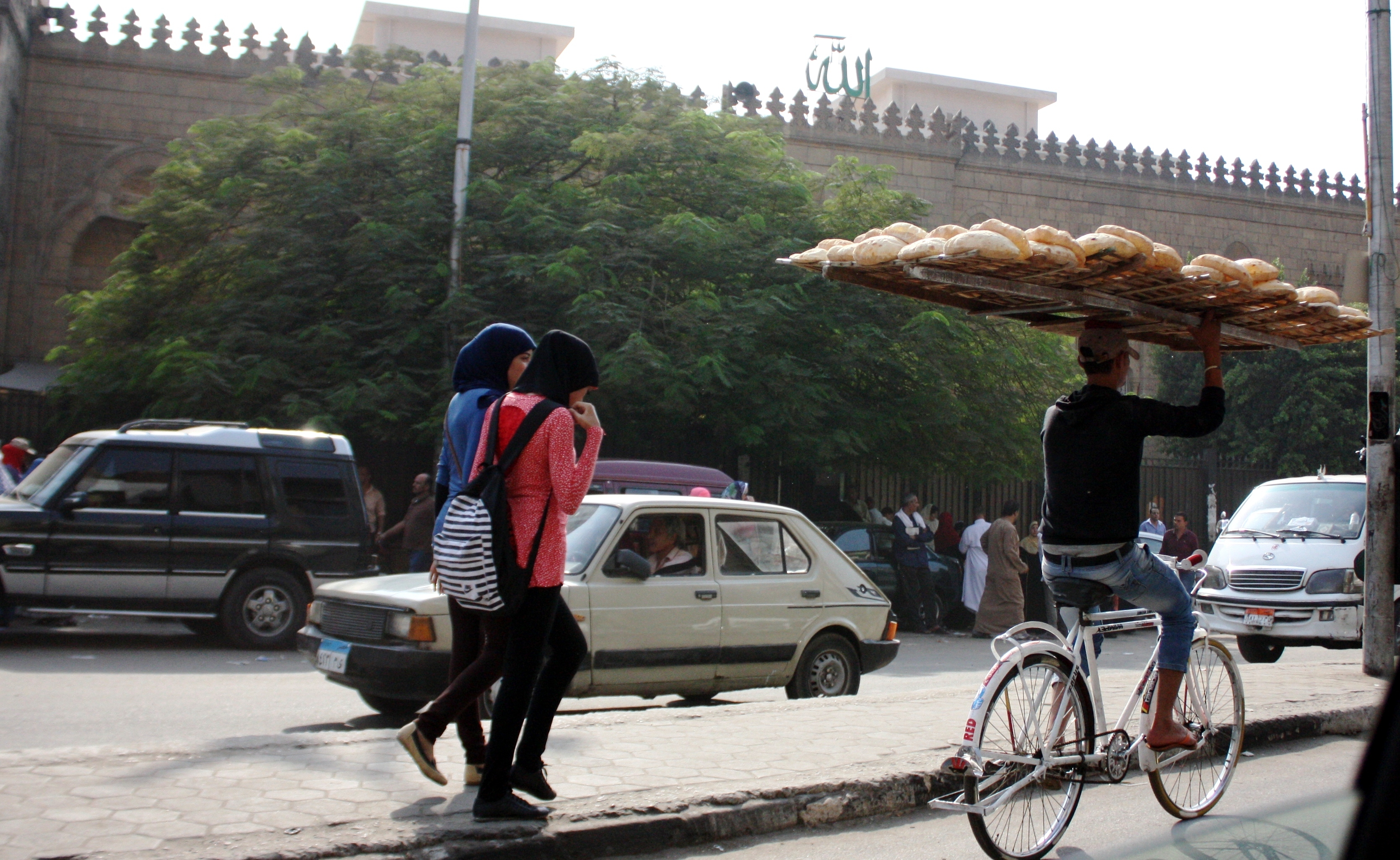
Rush hour in Cairo: not one for bicycles

Weaving along Cairo Ring road. Never again.

Traffic: All or nothing in Egypt.

Crossing the Eastern Desert.

After negotiating what is arguably the most unpleasant stretch of tarmac on which a bicycle could possibly be ridden (the Cairo ring road), we made a return to some hot and dry kilometres through the Eastern Desert along the Red Sea Coast; a stretch of coastline which is clearly of particular importance to the Egyptian authorities. An abrupt 6am wake-up call from our chosen camp spot, courtesy of the Egyptian Army, prompted an escort to the nearest barracks and set the tone for the week. The various military checkpoints during the days that followed hardly eased our anxiety, and didn’t exactly provide the warm welcome we’d hoped for. What’s more, the enduring and exhausting battles with the schemers and scammers at almost every junction of our daily routine made a swift exit south seem like the best outcome for all parties.

The Nile.

On a more positive note, a particularly boisterous tailwind helped deliver us to Luxor, which has provided not only a top-notch vista and an interesting saunter around the Valley of the Kings, but also a much needed haven to escape the chaos before the next onset.

Cheerio Cairo

Our feelings towards Cairo have been largely of indifference. Having been here a week, we have still yet to find anything that could reasonably pass for a city centre – and we have had plenty of time to look for one, from the discomfort of some incredibly slow moving traffic. Evidence of the recent political revolution remains present throughout the city, where the Kalashnikov-wielding teenage police force combine with the strategically poised armed vehicles to give the place an uncertain edgy feel, which in parts could easily be mistaken for the inside of a military compound.

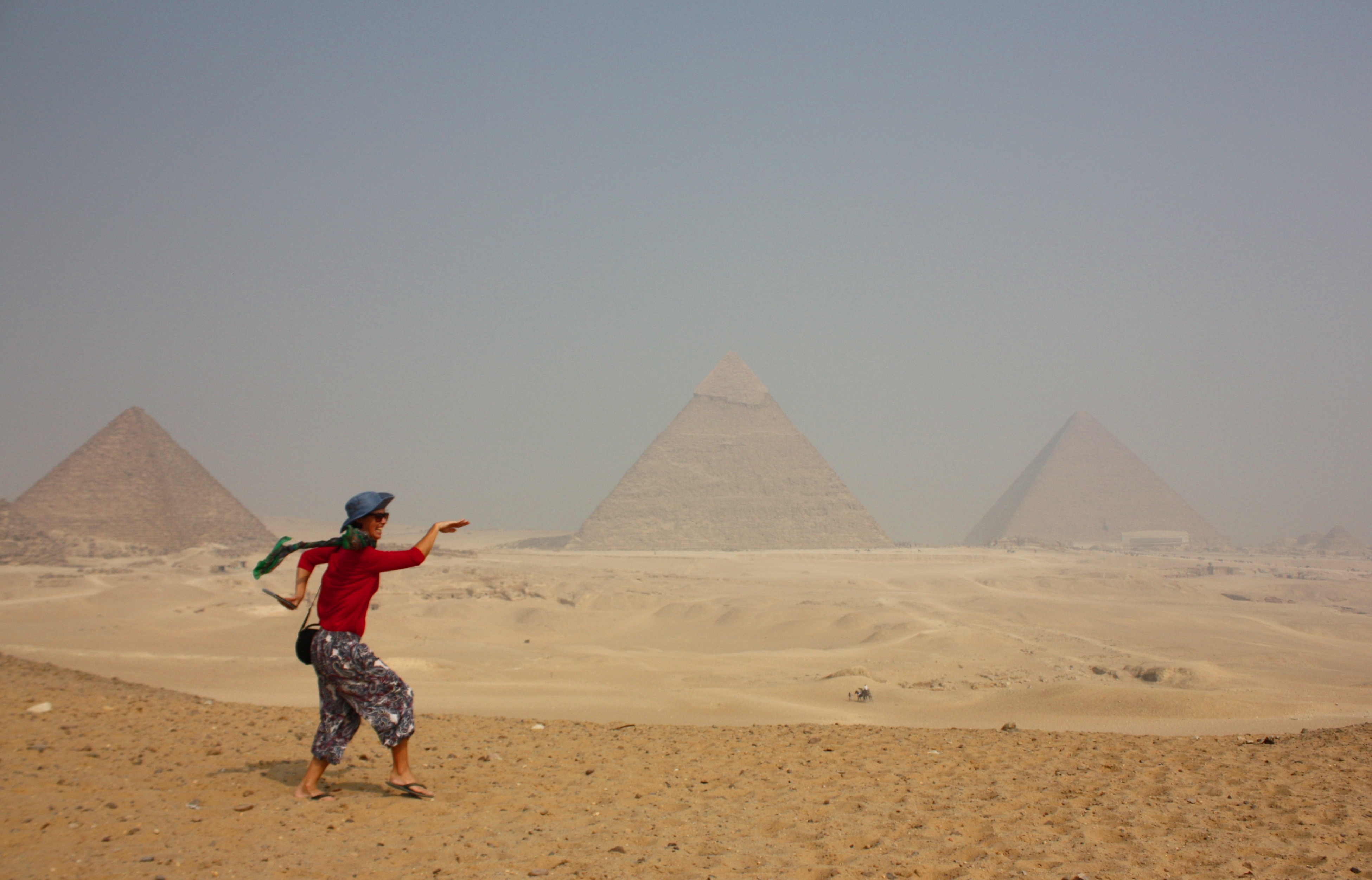
Certainly, the pyramids have provided an awe-inspiring insight into what seemed to have been a tremendously intelligent and advanced civilisation. However, observing the pointy spectacle with the disjointed and frantic modern-day Cairo as its backdrop, you can’t help but feel that this city perhaps peaked around 4,000 years ago.

Holder of ‘world’s tallest building’ title, for around 3,800 years.

After a lesson from the Sudanese in how not to operate a foreign embassy, we have managed to secure a visa that will allow us to at least begin our journey southwards, assuming of course that we can find a way out of the Cairo sprawl.

Fellow Cairo cyclist.

Monks on the rocks

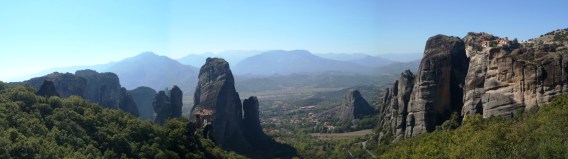
It’s pleasing to report that there has been more to Greece than just exquisite beaches, comforting food and a woeful economy. Central Greece provided some easy-going rolling hills through a relatively peaceful and picturesque part of the country, which delivered us ultimately to the implausible Meteora.

OLYMPUS DIGITAL CAMERA

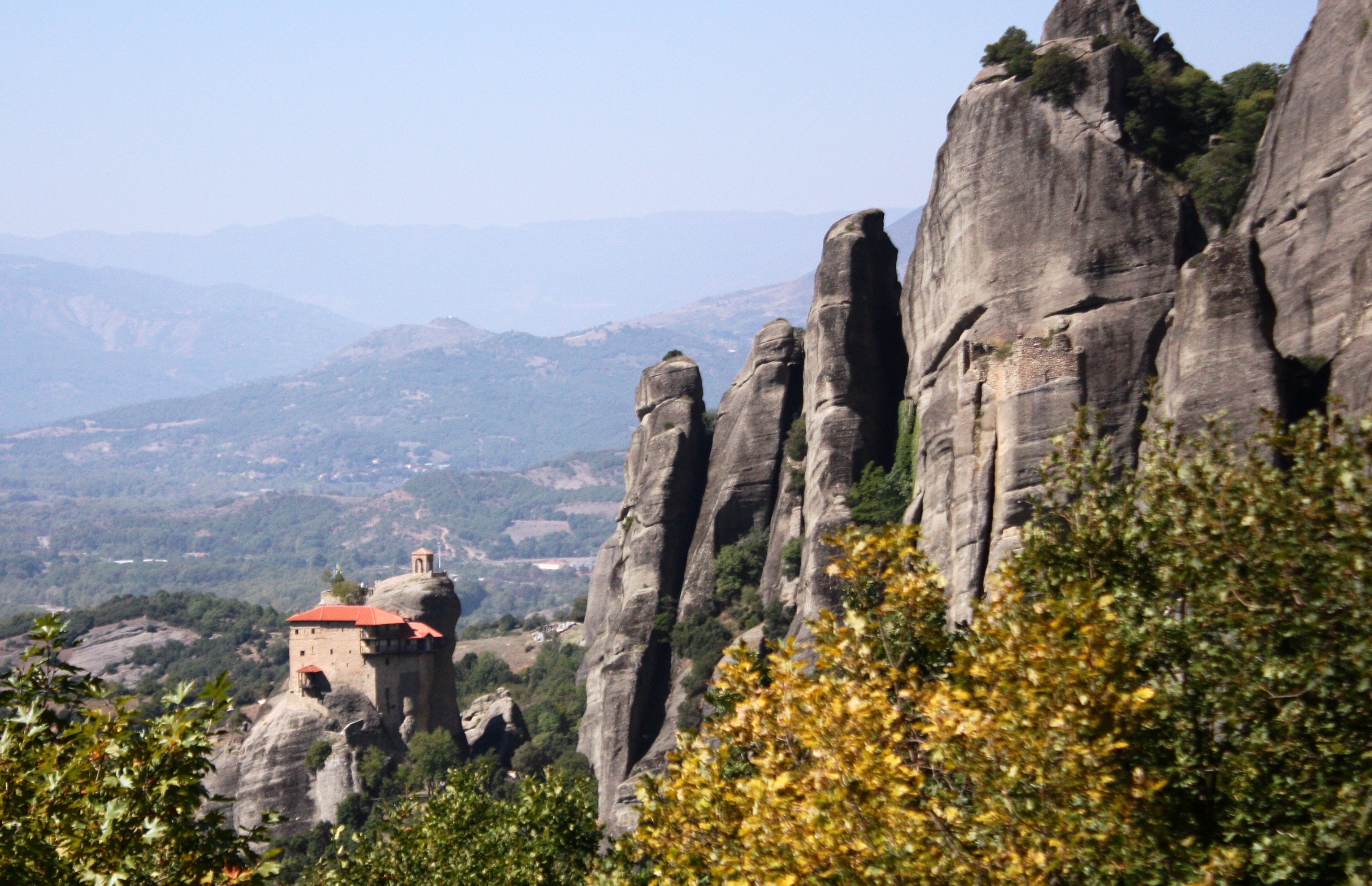
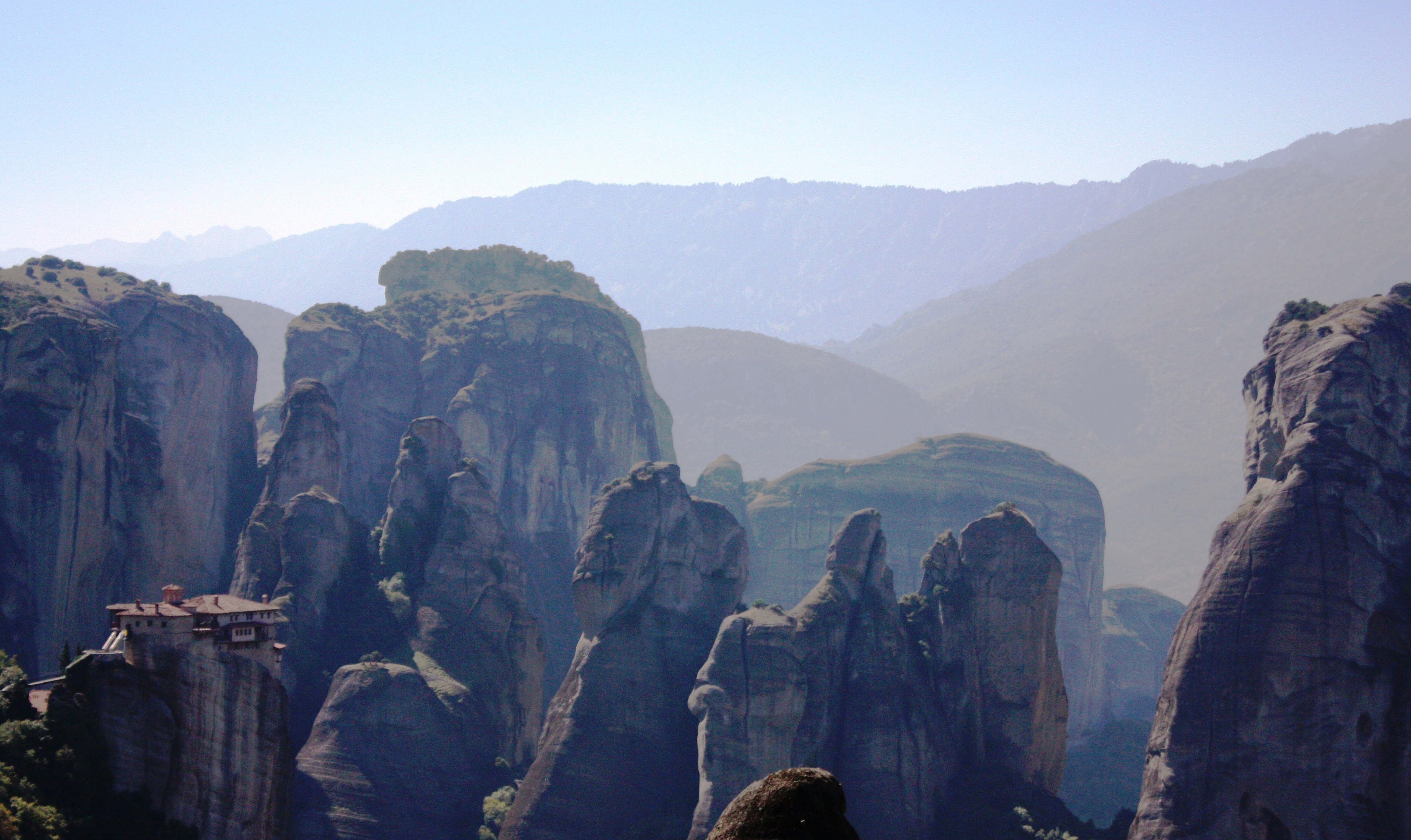
Metora is a collection of towering sandstone pillars that would have fallen comfortably in the category of ‘impressive place’, had they never been touched by human hands. The fact that a bunch of industrious, and remarkably ambitious, 14th century Greek Orthodox Monks decided to build a series of monasteries atop these things, has resulted in something quite spectacular. Nowadays the sandstone also provides some of Eastern Europe’s finest rock climbing, which leaves those of us claiming to be neither monk nor climber, observing one activity of sheer exertion and elation, ascending towards something completely different. Who’s to say who’s got it right?

IMG_9503

IMG_9511

Downtime to think about the Monks.

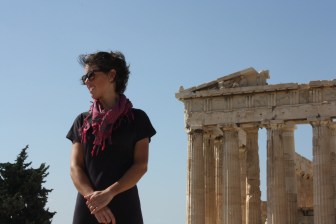
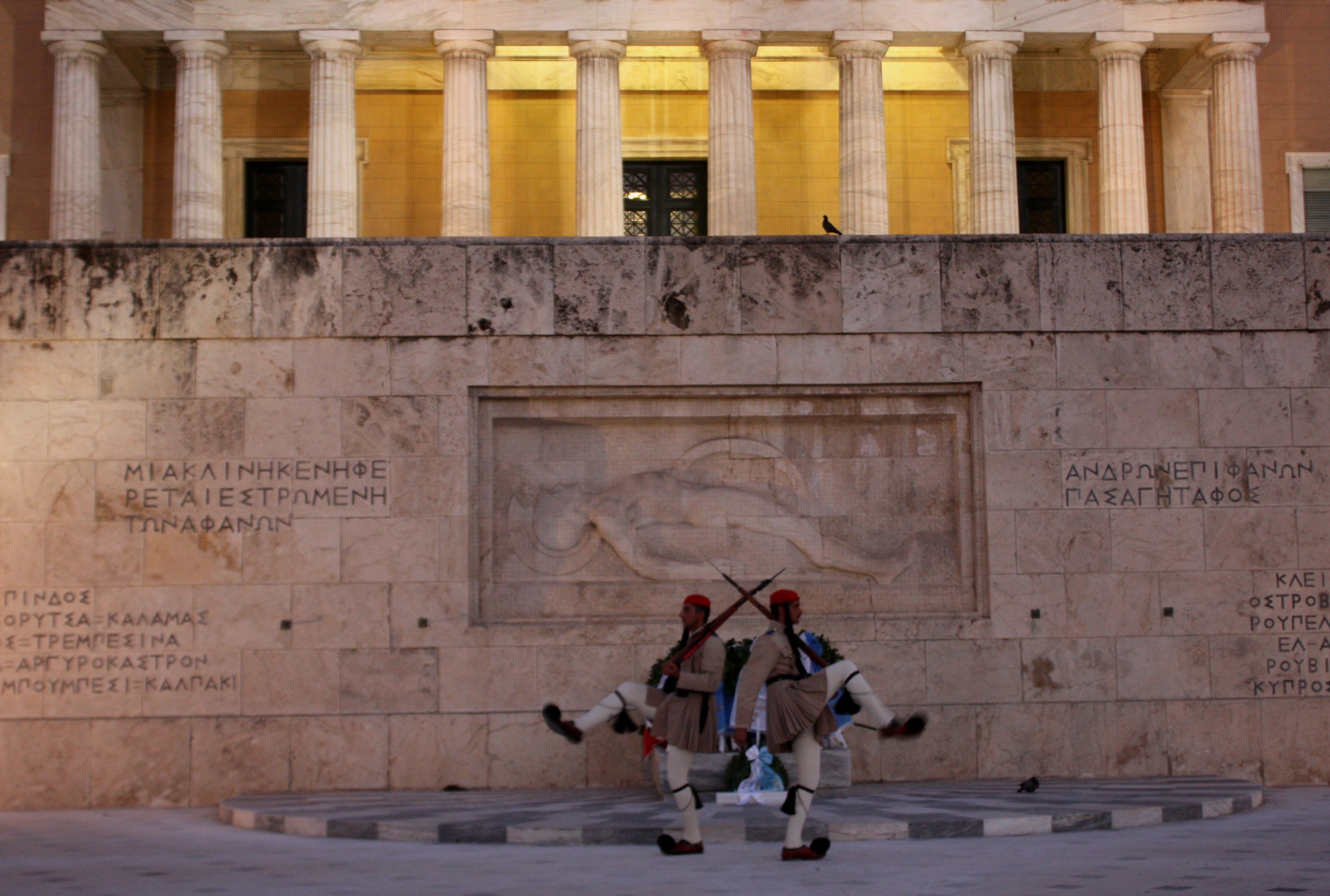
Our time in Athens has been split fairly evenly between recovery, preparation (for our next leg) and indulging in some of what the city has to offer. The stories of Zeus, Athena, Pericles and the Olympics have provided us with another millennium of history we previously knew very little about, with the surprise highlight for both of us being a shuffle around the new Acropolis museum, and the surprise lowlight for one of us being reminded (quite frequently) of the Elgin Marbles story. Our only real gripe of this city though, might be that the whole experience just doesn’t seem quite ancient enough. And when the ancient Greek civilisation isn’t quenching your historical thirst, there is really only one place left to go….

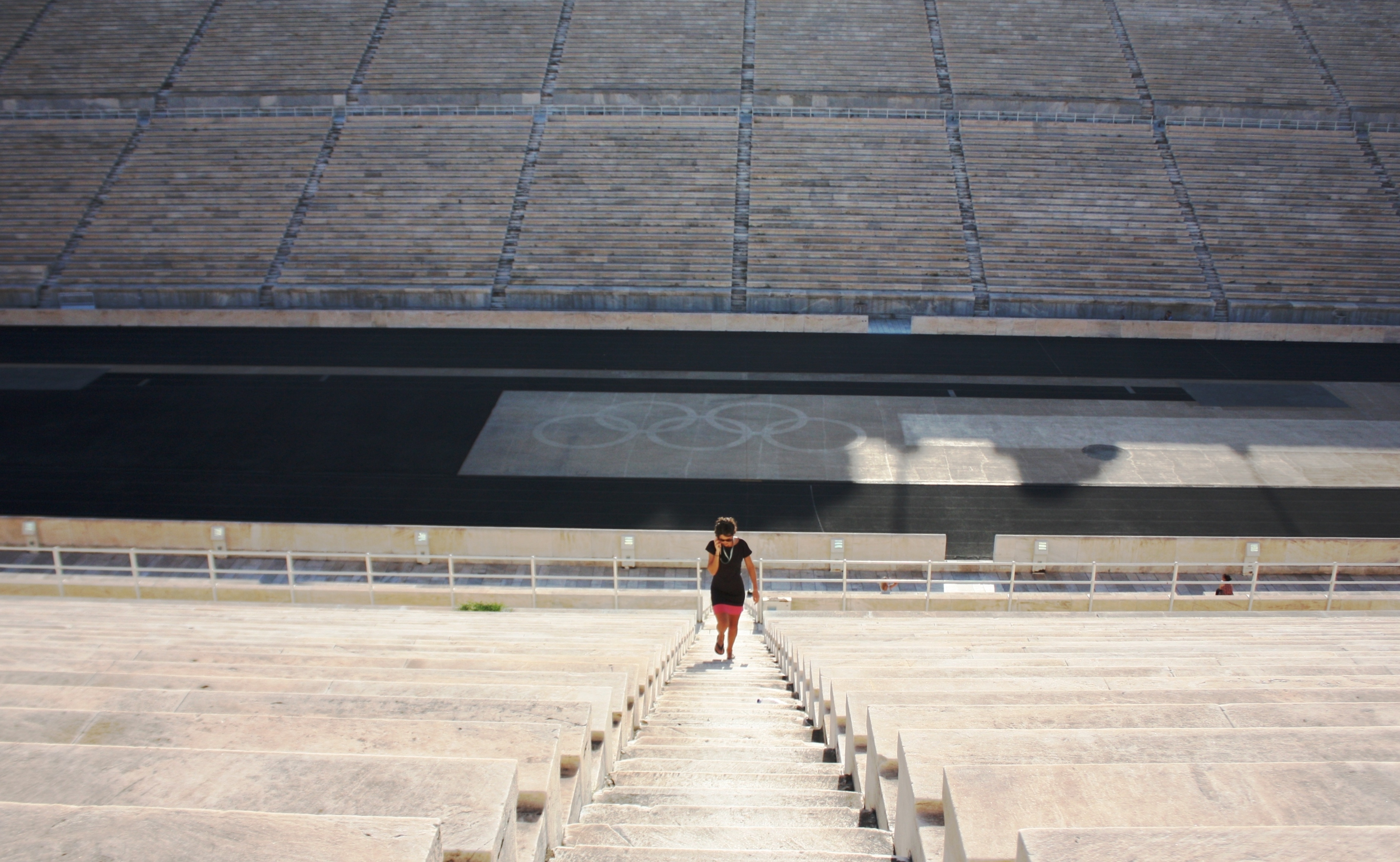
The original Olympic stadium, and home to the very first sub-3 marathon (1896).

Oh look, a tree.

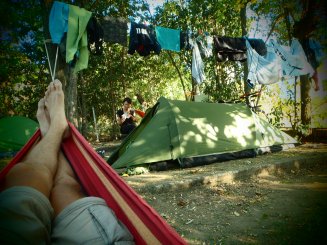
The Greek home front.

End of our penultimate day in Europe.

The Greek slowdown

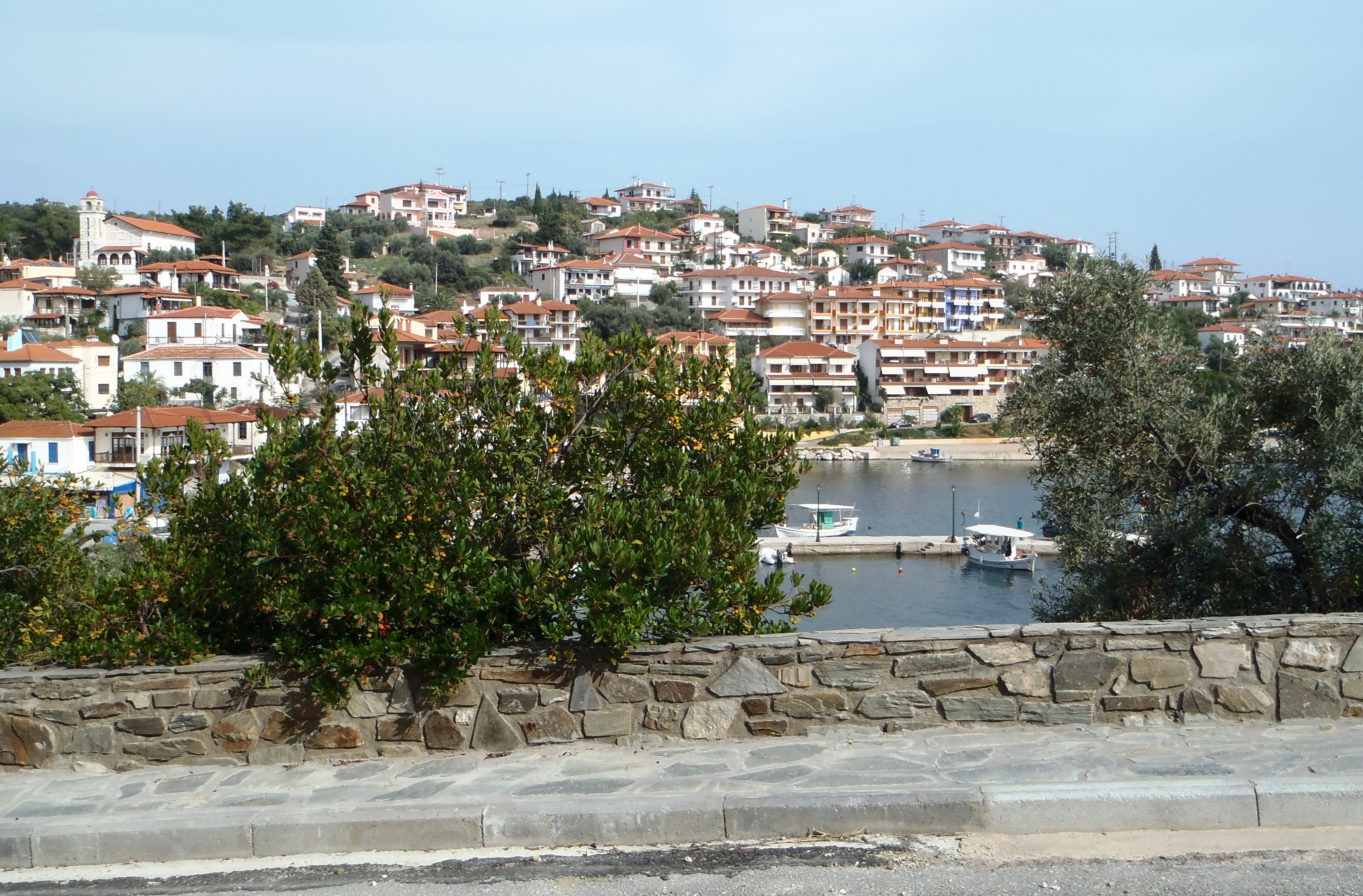
On one hand, cycling through Greece is very much like taking a cycle ride through an oil painting; you’re never too far away from a hillside olive plantation, a beautiful sandy cove or a picturesque terracotta-topped village. Indeed, this is an undeniably pretty country. On the other hand, it does seem a little rough around the edges at the moment.

Greece’s financial planners from the last decade have not exactly showered themselves in glory, and their politicians not stayed entirely free of ineptness or corruption charges. As a result, Greece took a particularly hard fall during the world economic meltdown, and the subsequent austerity measures have certainly not gone unnoticed for the carefree visitor to the country. Abundant empty shop fronts, partially completed buildings and abandoned industry make some areas feel rather like a hurricane passed through a few years ago and no one has bothered to return yet. Undoubtedly, a few jobs could be created to perhaps mend a fence (or two), cut the grass, or clean graffiti from all the road signs (though ironically, a sign which had escaped such vandalism was one that read: ‘semi-finished house for sale’). It would seem not so much that the purse strings have been tightened in this part of the world, rather that the purse strings have been rendered utterly useless by the enormous hole at the bottom of the purse.

Greece has a lot of…..

….Greece has a little of.

Our pace of riding has certainly tapered since crossing the border from Turkey, though we are thankfully still occasionally turning pedal, which is almost a prerequisite for a national cuisine where you either go full-fat or you go home. However, we’re hoping for a return to the old routine as we head towards Athens, a city which boasts even more history than the Bible – although encouragingly for the Athenians, theirs is a history based on actual events.

Thessaloniki: a culinary win

Those Turks

In one of our less well-planned moments, we found ourselves on the promenade at the busy (and expensive) town of Eregli as night fell; we were exhausted and forlorn, and with no place to go. Within minutes however, we were flanked by two complete strangers whom without prompting, had taken on the task of finding our accommodation for the evening. Other passers-by were pulled in and after several phone calls (one guy impressively holding the same conversation simultaneously on two separate phones) we were sent away with concise instructions to an affordable and ‘cycle-friendly’ hostel. Everyone involved seemed to want nothing more than to help us out.

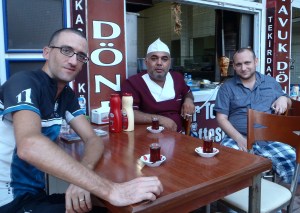
We were later told (by a chap trying to sell us a carpet) that Turkey is famous for two things: its carpets and its hospitality. While we are unable to vouch for the former, we can certainly confirm that hospitality in Turkey appears to be on steroids. The level of generosity and willingness to assist has been incredible. We have been gifted meals, been plied with enough tea to develop a mild addiction to the stuff, shared stories through the medium of Google Translate, and although some assistance – the hands-on first, questions later approach to bicycle repair for example – was perhaps a little doubtful in its helpfulness, the enthusiasm cannot be faulted.

There’s something in that tea.

We arrived in Turkey with some preconceived ideas about what to expect from the country, and the Turks have taken those ideas and kicked them firmly into touch. What a great bunch; we tip our cap to you The Turks.

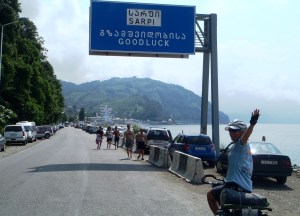
The final road sign in Georgia before crossing into Turkey. In reality, no luck required.

Istanbul

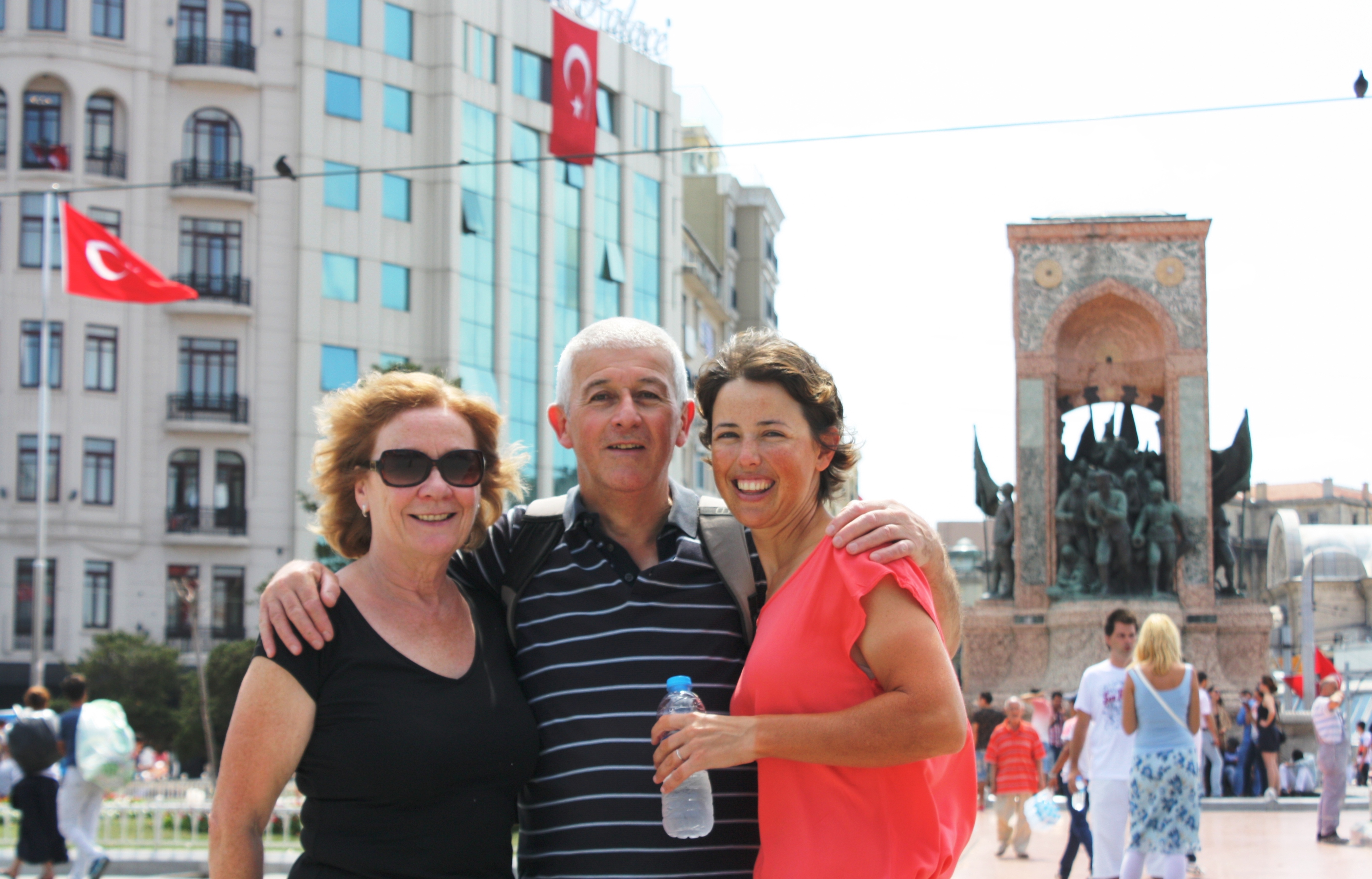
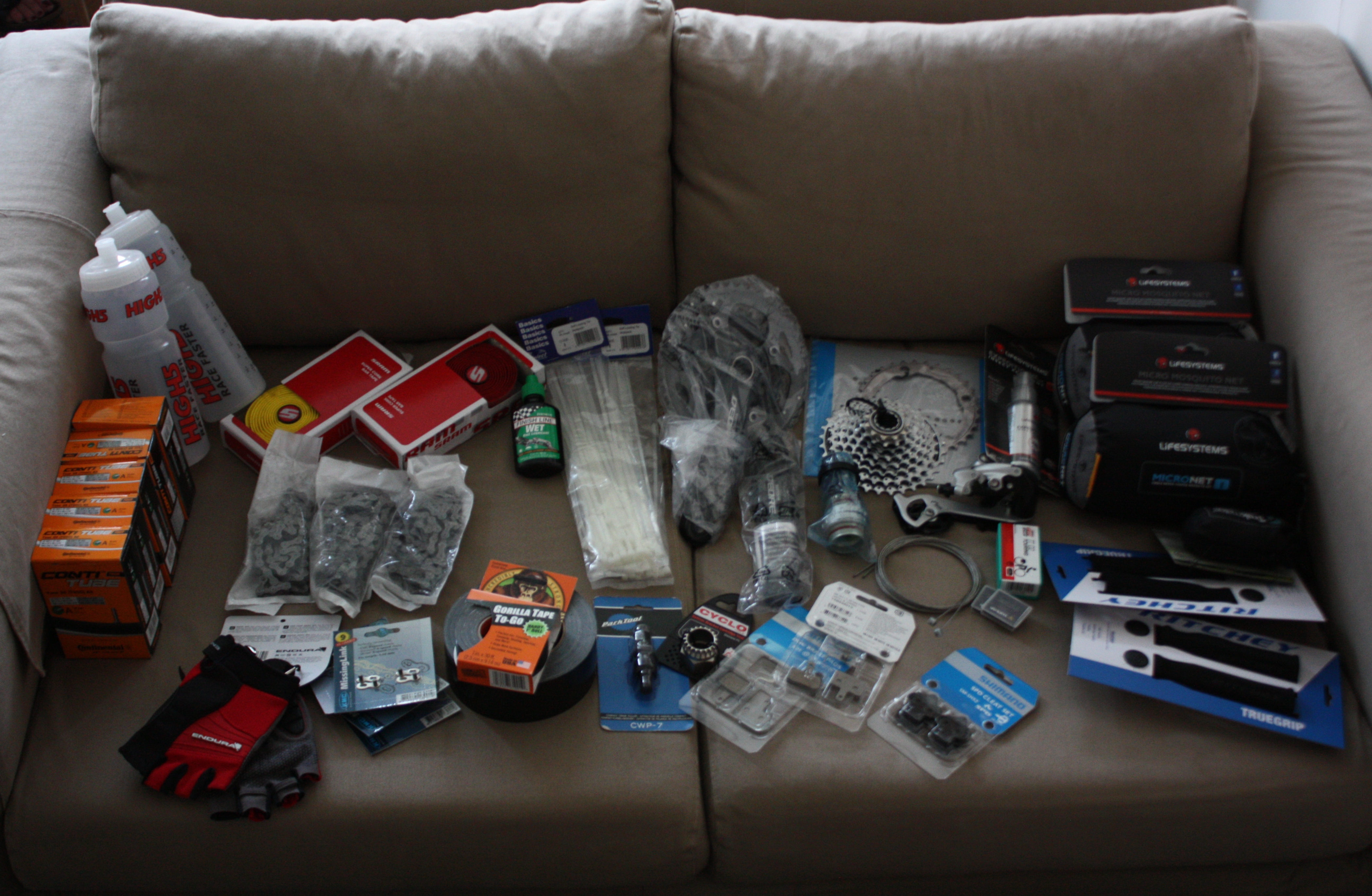
Some serious hours of pedalling were required in order to make our deadline to Istanbul, and the reason for the urgency was a visit from the (more) Senior Johnsons. Mr & Mrs Johnson(I) had made their way from the UK to greet Mr & Mrs Johnson(II), and would have probably been travelling well within their baggage allowance had it not been for the suitcase full of bike supplies we had pre-ordered for their journey. As a couple who don’t frequently get to see our parents, it was a delight to share this time with them both and what’s more, their generosity resulted in some quite unfamiliar (but very welcome) luxury, in addition to some quite necessary indulgence. As the first familiar faces we had met since departing, the tales from our past few months soon flowed freely while we all attempted to understand Istanbul.

Johnsons old & new.

Tremendous re-supply effort from the Oldes.

Anyone returning from a week-long holiday in this city who claims to know or – worse still – to ‘have done’ Istanbul, is either an exceptional time manager, or is talking nonsense and deserves no more of your attention.

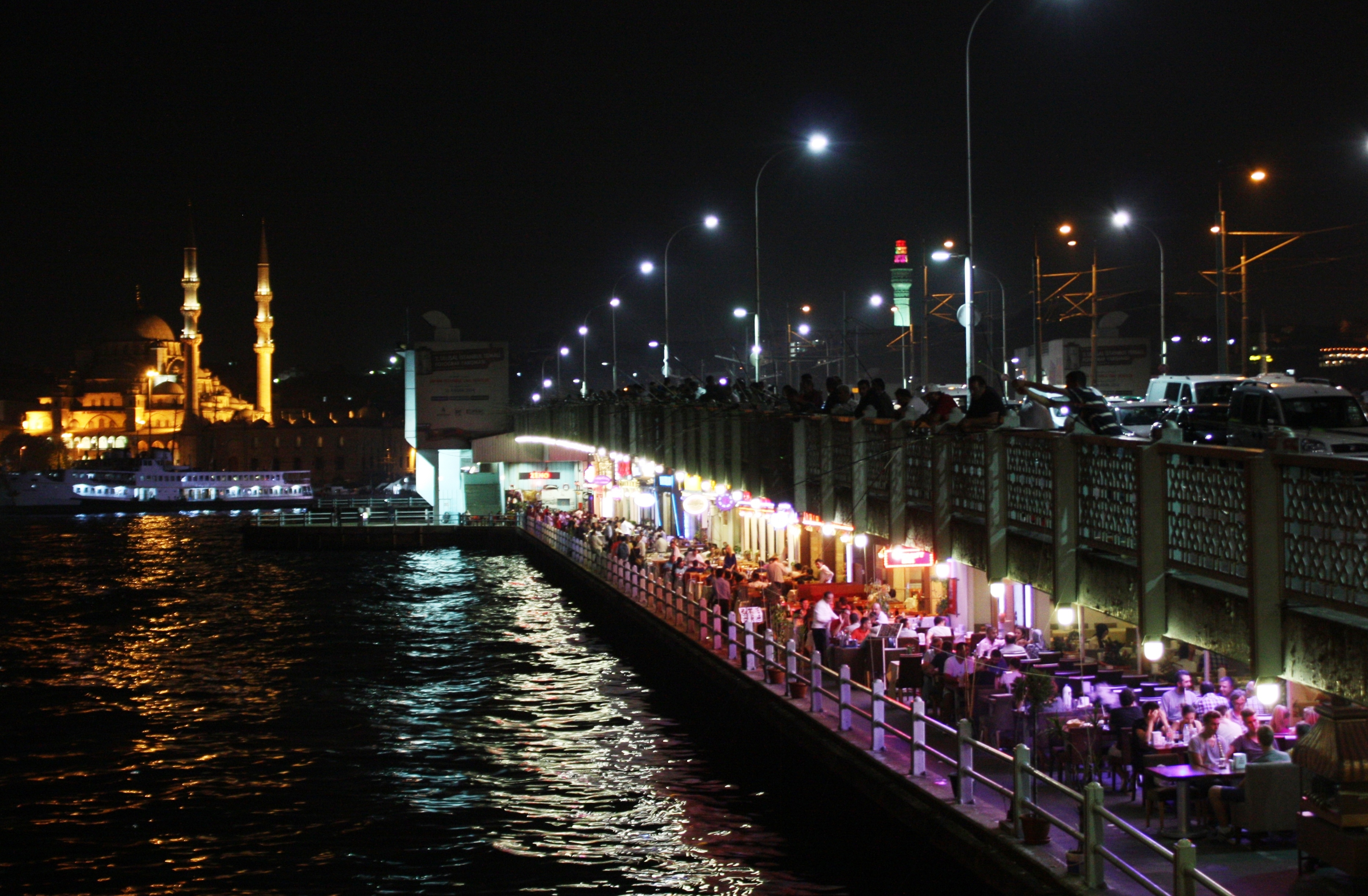
Istanbul sits at the divide of Asia and mainland Europe and has been somewhat of a big deal for several empires in history. Fantastically important events have occurred here over the last two thousand years that we had very little prior knowledge of, though the architecture left behind stands as a conspicuous and impressive reminder of this past. It is also a vast place; with a population that dwarfs London and with city limits that sprawl much further than a man can reasonably ride in one day. The result is a labyrinth of a city built on eclectic influences, where a guide book is as useful or as useless as you want it to be. You could likely live in Istanbul for a year and still find an exciting new district, some new detail in the Hagia Sophia, an alternative eatery, or realise that an entire century of history is hidden away next to your house. Most endearing though, is the intangible sense of effortless cool which it seems to now enjoy, and which is no longer easily found in established European or Australian cities. It is a coolness that allows you to chill out on the streets enjoying an evening beer while listening to buskers, without fearing arrest or impending chaos.

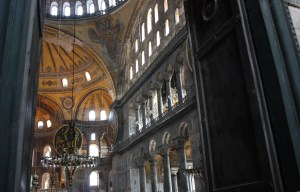
Initially a church, later a mosque, now a museum: the impressive Hagia Sophia

We were captivated and very much sold on this place from the outset, and if ever we should be a little fed up in the future, a week in Istanbul would likely be a good tonic.

Quiet in the mornings, not so at night.

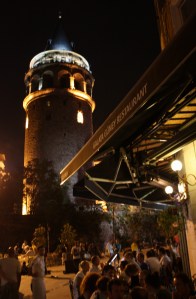
The Gelata Tower, used previously to learn how to fly, apparently.