Those Turks

In one of our less well-planned moments, we found ourselves on the promenade at the busy (and expensive) town of Eregli as night fell; we were exhausted and forlorn, and with no place to go. Within minutes however, we were flanked by two complete strangers whom without prompting, had taken on the task of finding our accommodation for the evening. Other passers-by were pulled in and after several phone calls (one guy impressively holding the same conversation simultaneously on two separate phones) we were sent away with concise instructions to an affordable and ‘cycle-friendly’ hostel. Everyone involved seemed to want nothing more than to help us out.

We were later told (by a chap trying to sell us a carpet) that Turkey is famous for two things: its carpets and its hospitality. While we are unable to vouch for the former, we can certainly confirm that hospitality in Turkey appears to be on steroids. The level of generosity and willingness to assist has been incredible. We have been gifted meals, been plied with enough tea to develop a mild addiction to the stuff, shared stories through the medium of Google Translate, and although some assistance – the hands-on first, questions later approach to bicycle repair for example – was perhaps a little doubtful in its helpfulness, the enthusiasm cannot be faulted.
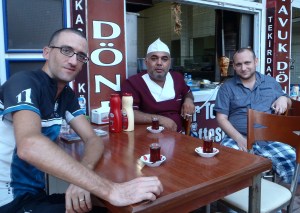
There’s something in that tea.

We arrived in Turkey with some preconceived ideas about what to expect from the country, and the Turks have taken those ideas and kicked them firmly into touch. What a great bunch; we tip our cap to you The Turks.
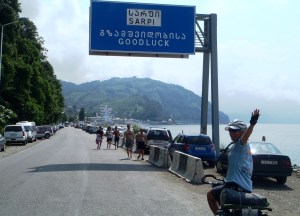
The final road sign in Georgia before crossing into Turkey. In reality, no luck required.
Istanbul

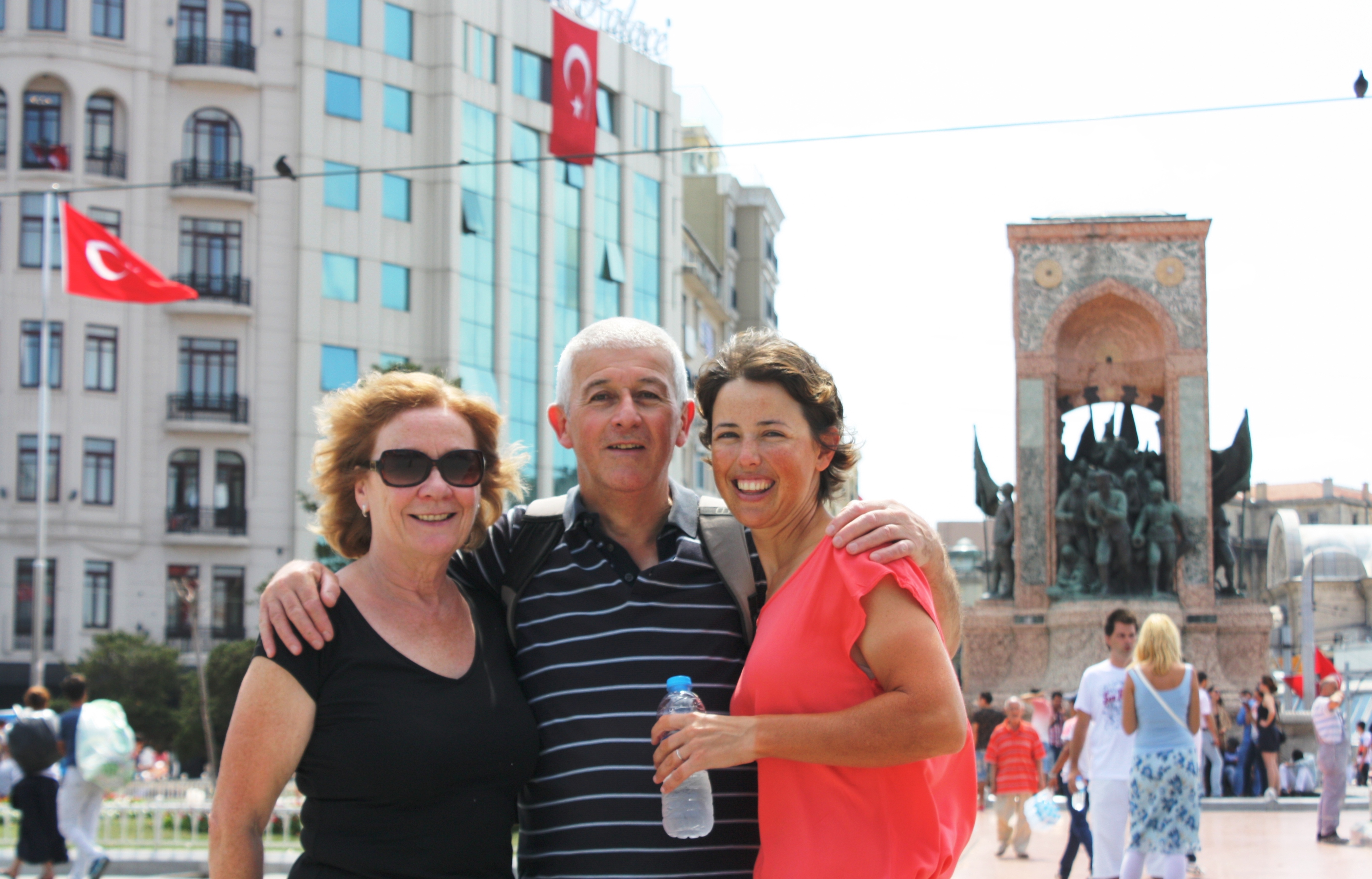
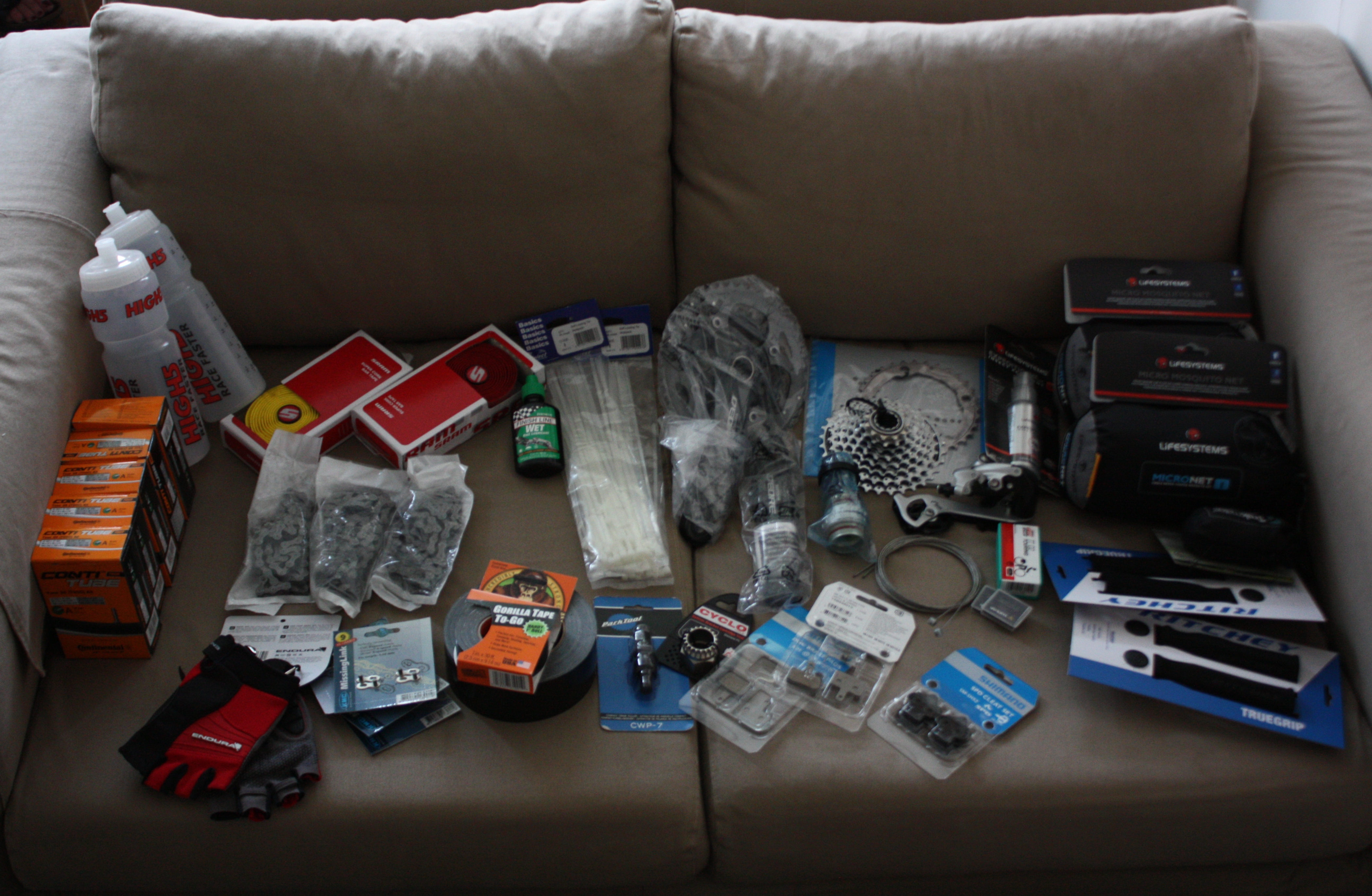
Some serious hours of pedalling were required in order to make our deadline to Istanbul, and the reason for the urgency was a visit from the (more) Senior Johnsons. Mr & Mrs Johnson(I) had made their way from the UK to greet Mr & Mrs Johnson(II), and would have probably been travelling well within their baggage allowance had it not been for the suitcase full of bike supplies we had pre-ordered for their journey. As a couple who don’t frequently get to see our parents, it was a delight to share this time with them both and what’s more, their generosity resulted in some quite unfamiliar (but very welcome) luxury, in addition to some quite necessary indulgence. As the first familiar faces we had met since departing, the tales from our past few months soon flowed freely while we all attempted to understand Istanbul.

Johnsons old & new.

Tremendous re-supply effort from the Oldes.

Anyone returning from a week-long holiday in this city who claims to know or – worse still – to ‘have done’ Istanbul, is either an exceptional time manager, or is talking nonsense and deserves no more of your attention.

Istanbul sits at the divide of Asia and mainland Europe and has been somewhat of a big deal for several empires in history. Fantastically important events have occurred here over the last two thousand years that we had very little prior knowledge of, though the architecture left behind stands as a conspicuous and impressive reminder of this past. It is also a vast place; with a population that dwarfs London and with city limits that sprawl much further than a man can reasonably ride in one day. The result is a labyrinth of a city built on eclectic influences, where a guide book is as useful or as useless as you want it to be. You could likely live in Istanbul for a year and still find an exciting new district, some new detail in the Hagia Sophia, an alternative eatery, or realise that an entire century of history is hidden away next to your house. Most endearing though, is the intangible sense of effortless cool which it seems to now enjoy, and which is no longer easily found in established European or Australian cities. It is a coolness that allows you to chill out on the streets enjoying an evening beer while listening to buskers, without fearing arrest or impending chaos.

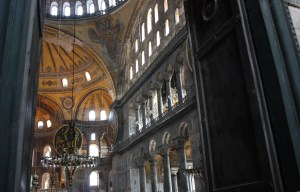
Initially a church, later a mosque, now a museum: the impressive Hagia Sophia

We were captivated and very much sold on this place from the outset, and if ever we should be a little fed up in the future, a week in Istanbul would likely be a good tonic.

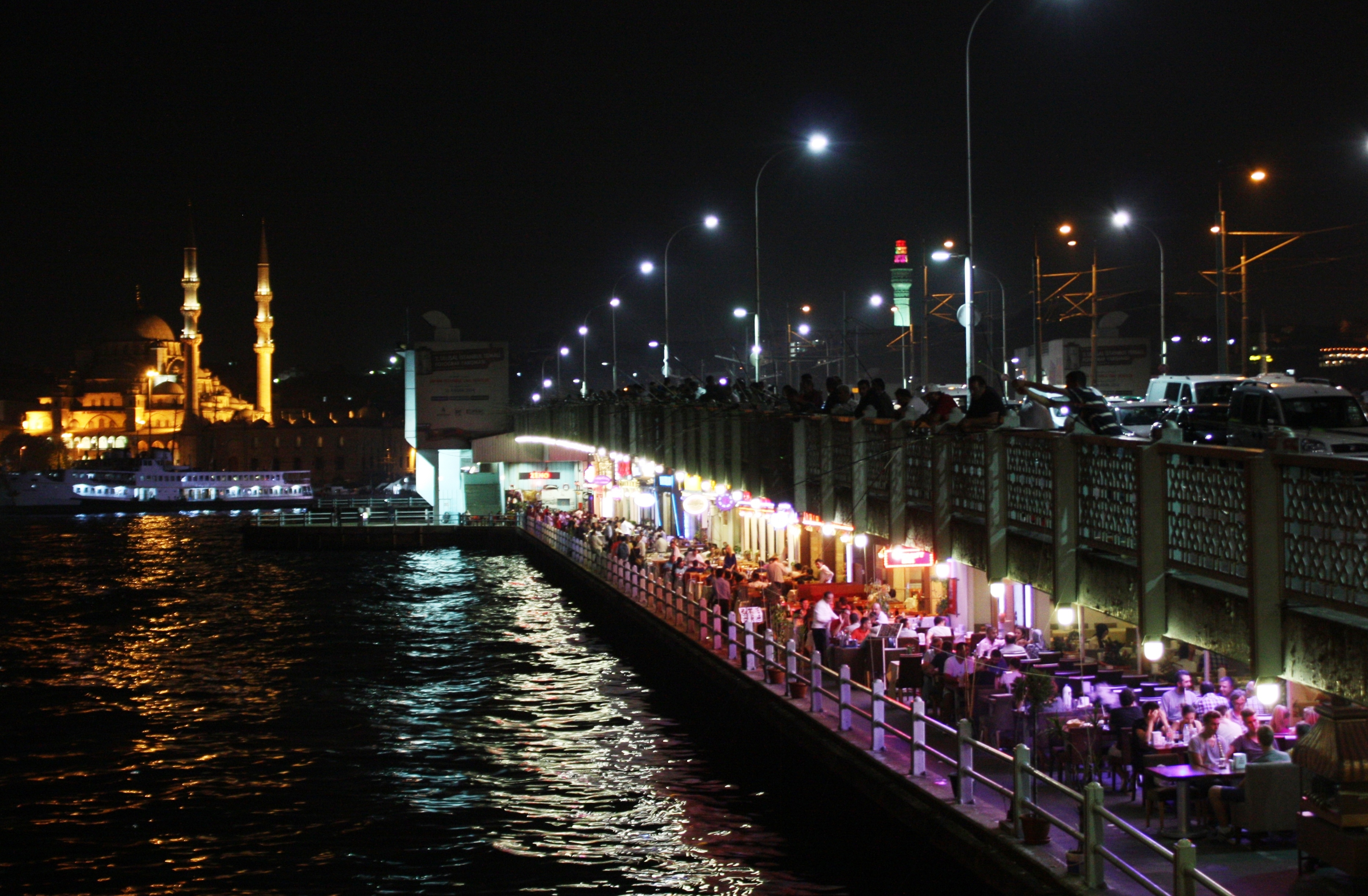
Quiet in the mornings, not so at night.

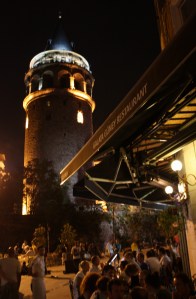
The Gelata Tower, used previously to learn how to fly, apparently.

The Deceptive Black Sea Coast

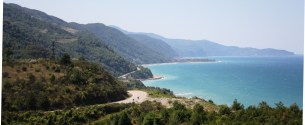
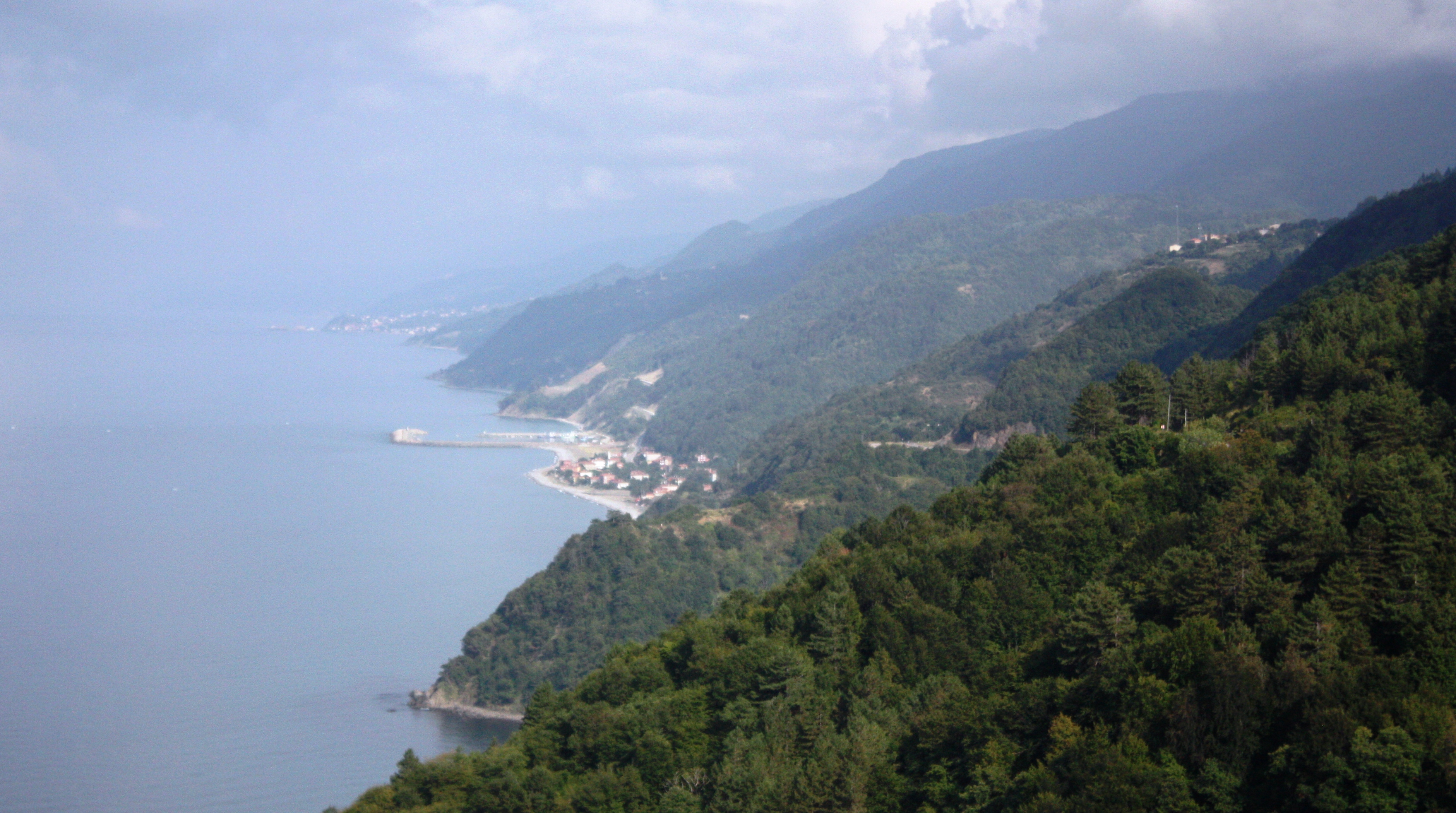
Our experience of the Black Sea coastal route can be conveniently divided into two halves: the first from the Georgian border to the pleasant coastal town of Sinop, and the second from Sinop to Istanbul. The first half was predominantly boring; we were rained on, slept in some very dubious locations between largely uninspiring cities, and other than providing the first puncture of our trip, did little to stir our senses. The second half however, was an absolute humdinger. The ride along the Turkish coast is in no way the easy or direct route to take across Turkey (as we had thought), however, the inconvenience is compensated for in spades, by an area of natural beauty that should drop even the stiffest of jaw.

Welcome

A week into this leg, we crossed paths with a Swiss chap who was part-way through an attempt to walk around the world, and who seemed surprisingly chipper for a man intending to spend the next six years of his life inching around the globe at 40km per day. As we spoke about our proposed route he couldn’t help but chuckle through his broken English at the conditions that awaited us: ‘oh yeah, it’s steep’. And when a walker warns of severe inclines, the prospect for a cyclist is – to say the least – a little bleak.

Things started off relatively easily….

….and then became less so.

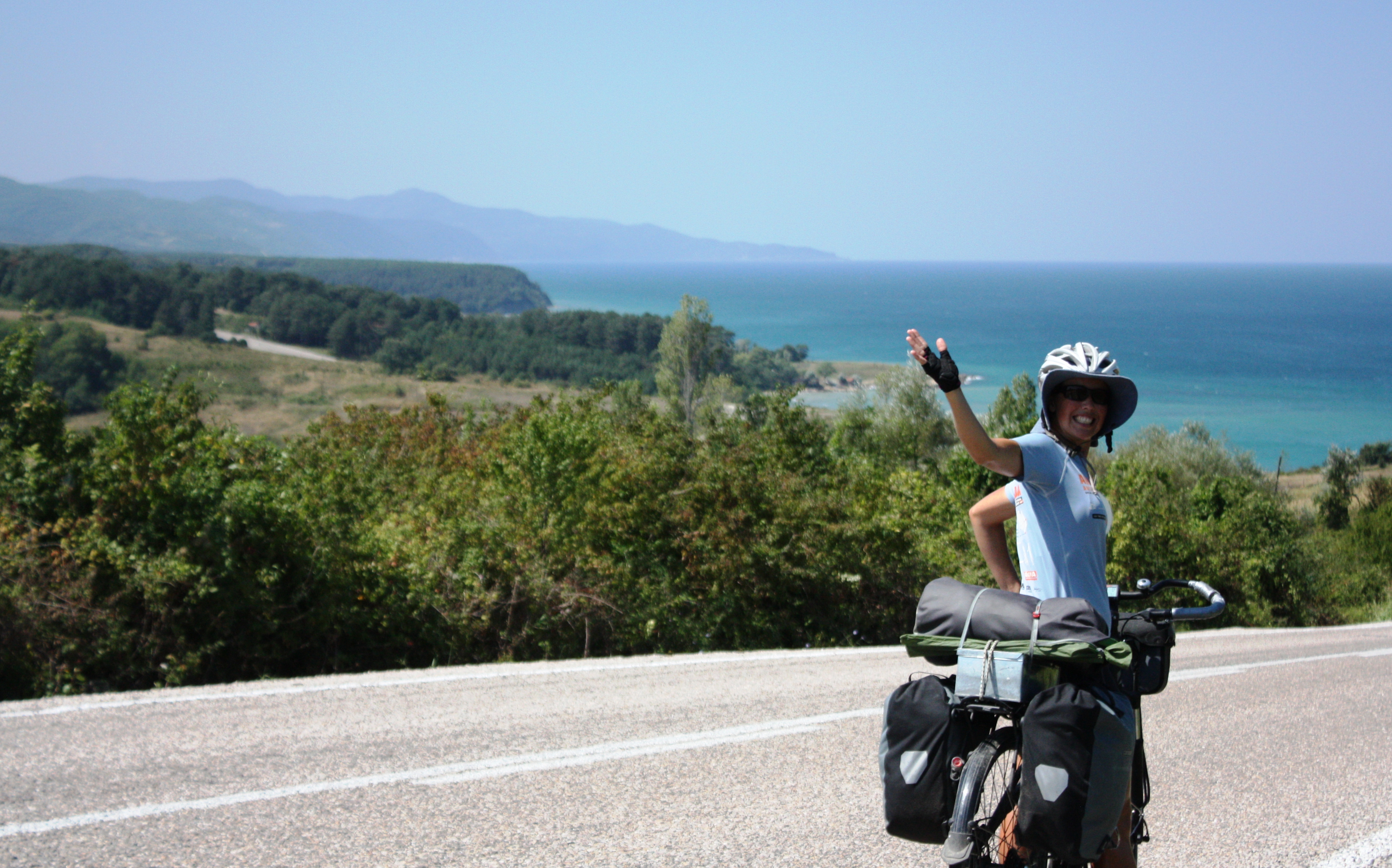
Indeed, the roads winding along the coastal cliffs appeared to be about as steep as a road could feasibly be and demanded us to adopt the monotonous routine of gaining a few hundred meters altitude, before returning to sea level, then repeating this exercise for around 400km. The terrain combined with the lingering Turkish summer to provide arguably our toughest riding so far, and the subsequent memorable quote: ‘I’m even sweating through my eyeballs’; which was as ridiculous as it was (or at least seemed) plausible. This would all have been utter misery had it not been for the quite outrageous backdrop through which we were riding a bicycle. Without wanting to wax lyrical about this; it would be fair to assume that in the global contest for great coastal routes, Turkey’s Black Sea would certainly be a podium finisher.

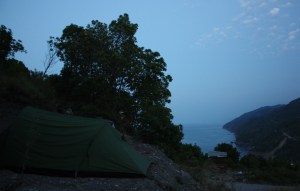
An excellent cliff-top camp spot.

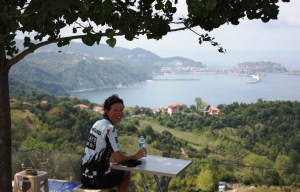
Lunch overlooking Amasra.

A reasonable slice of effort has been required to make it across Turkey and although we’ve barely scratched the surface during our time here, we have so far been surprisingly impressed with this underrated country. Though admittedly, next time we’ll probably favour something with a motor for the crossing.

Finally, in bicycle news, the Chinese bike options have shown their true colours over the last fortnight, and have done so in quite spectacular fashion. It appeared in fact, that every component had been programmed by Shimano to spontaneously fail after successfully covering 5,000km, which certainly added to the climbing woes. However, with a little tinkering from the multi-tool and some stitch-up work from the duct tape, we were able to limp the injured steed the final few hundred kilometres to Istanbul for some fine tuning/complete overhaul.

Green hills and red wine

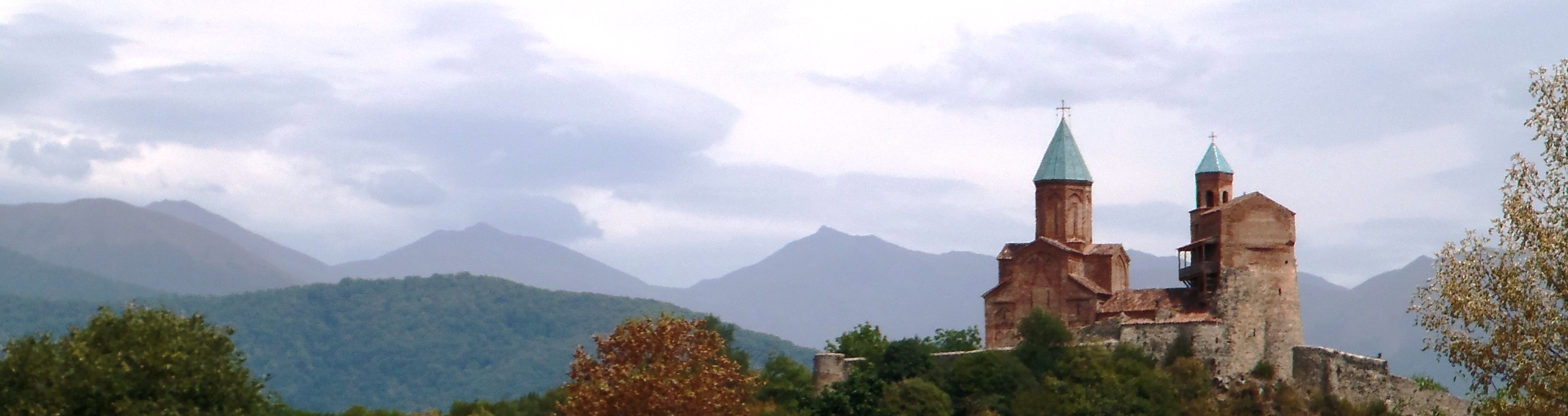
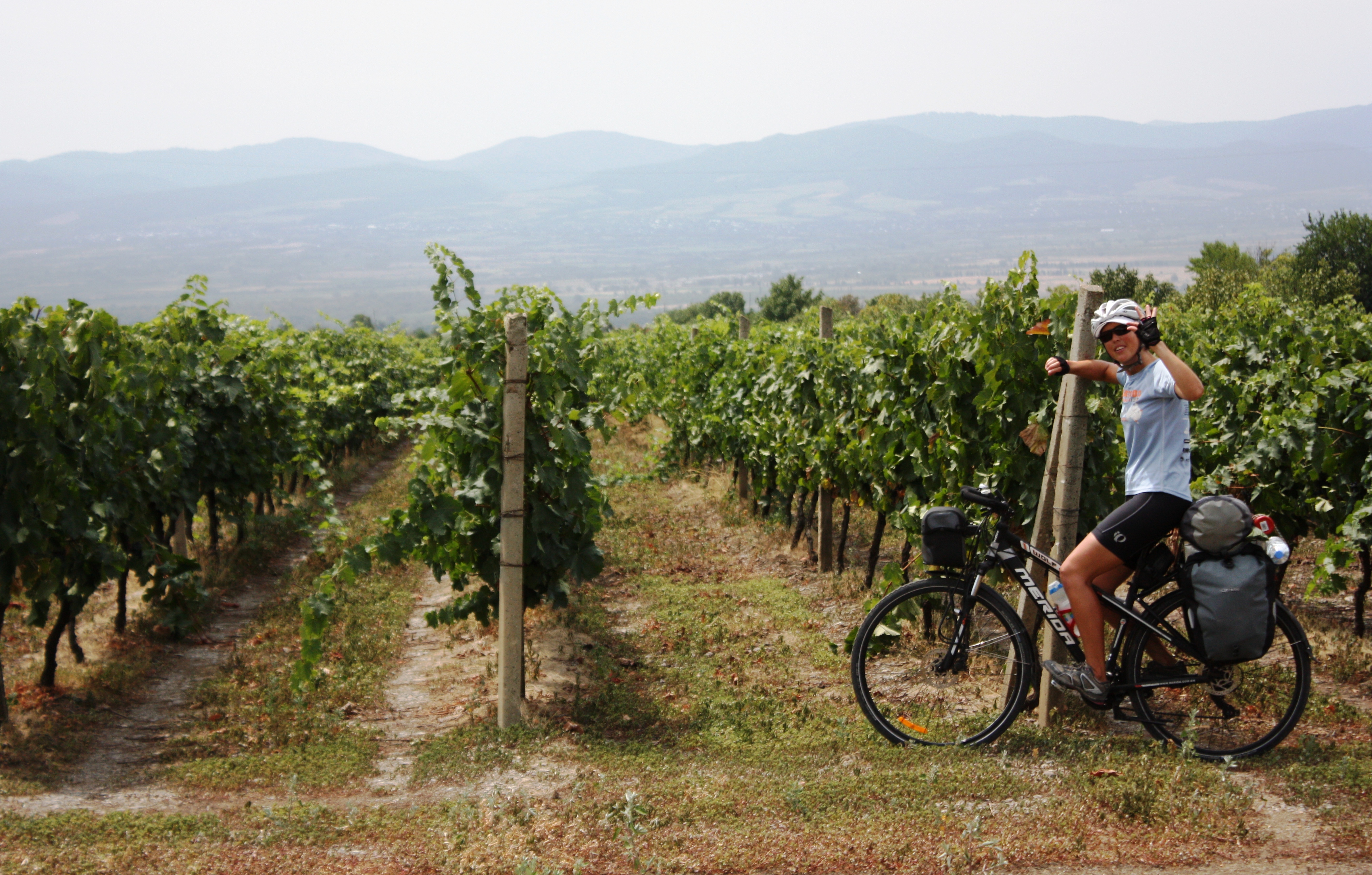
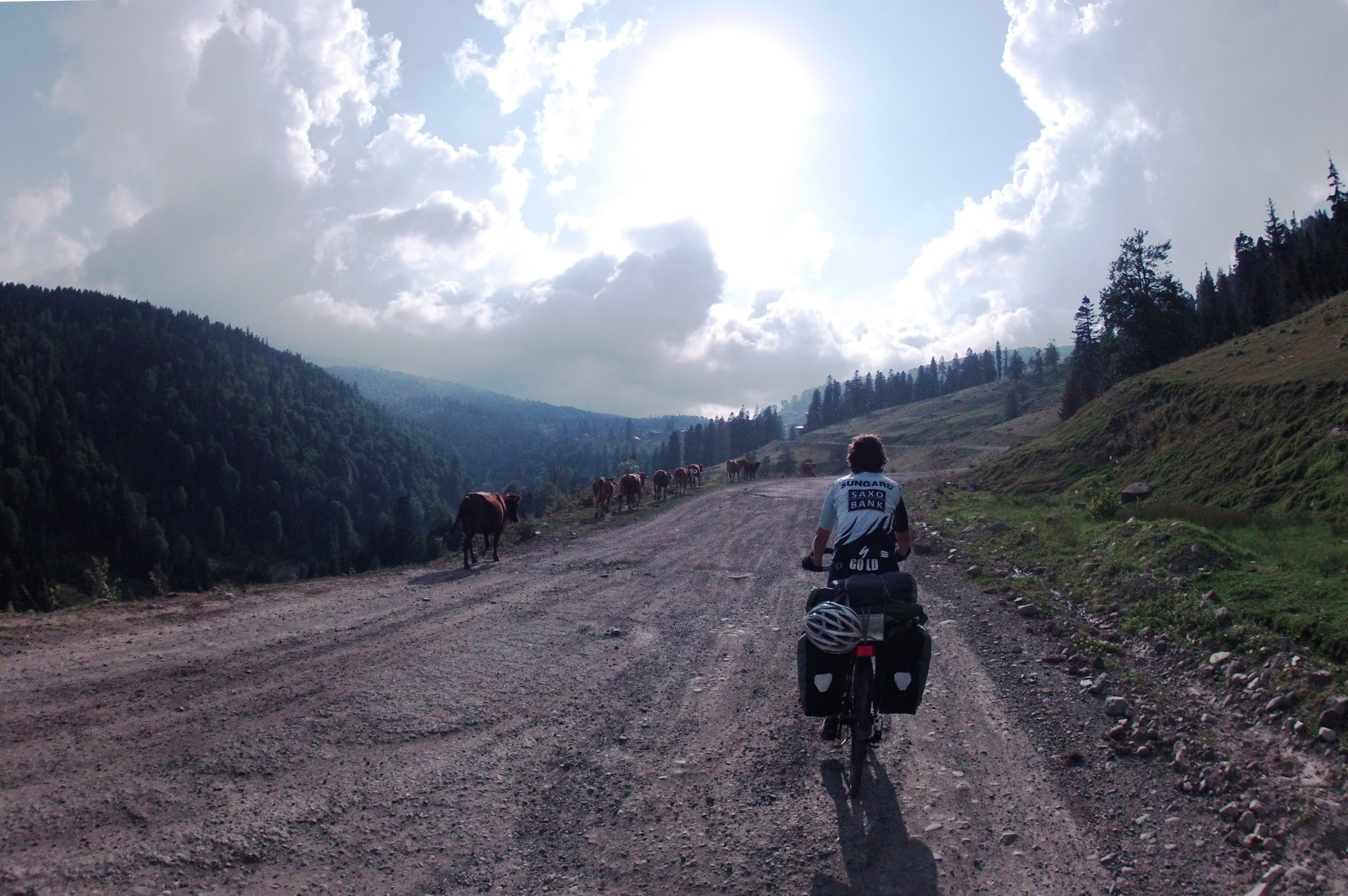
Finding a map of Georgia was easy. However, finding a detailed map of Georgia that wouldn’t reasonably be mistaken for a map of Disneyland was a more difficult task. As a result, route selection over the past fortnight has been quite a lottery, with the absence of any contouring and with secondary roads meaning anything from a perfect ribbon of tarmac to an un-rideable gravel track, Georgia certainly threw some obstacles our way. These problems aside, the rolling hills and vineyards of the Caucasus region proved worthy of the trouble.

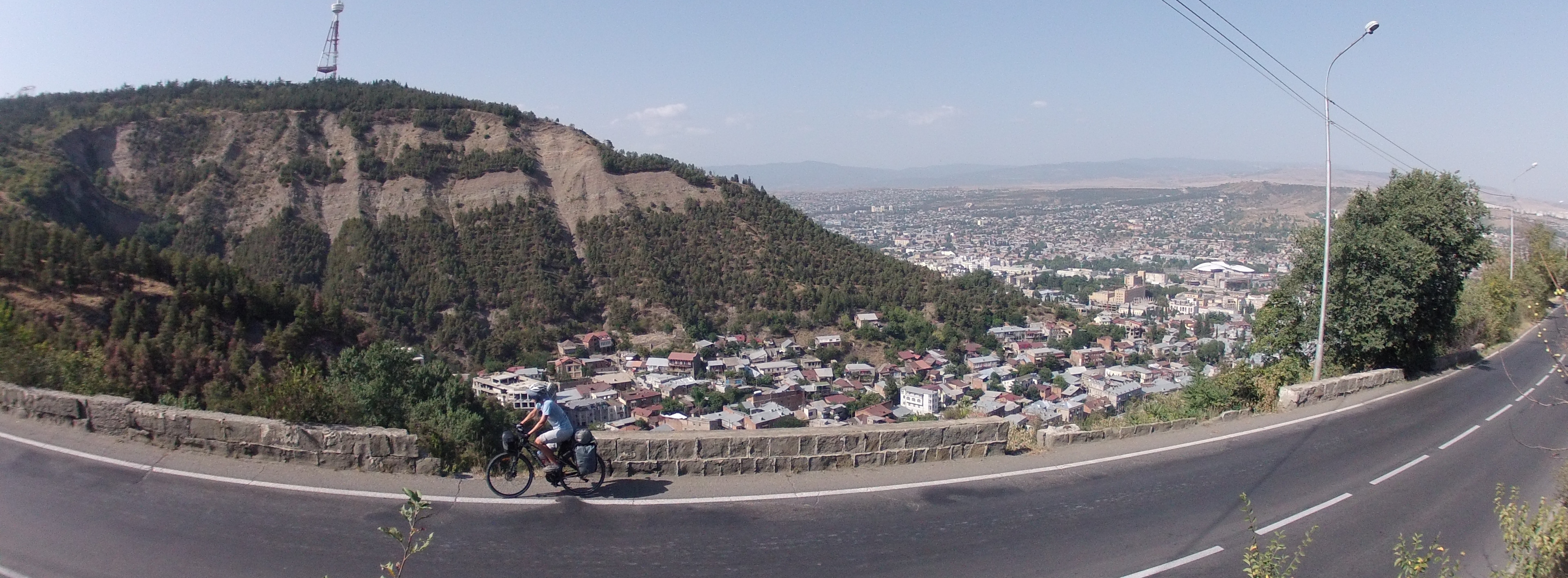
Leaving Tbilisi behind…

..into the hills.

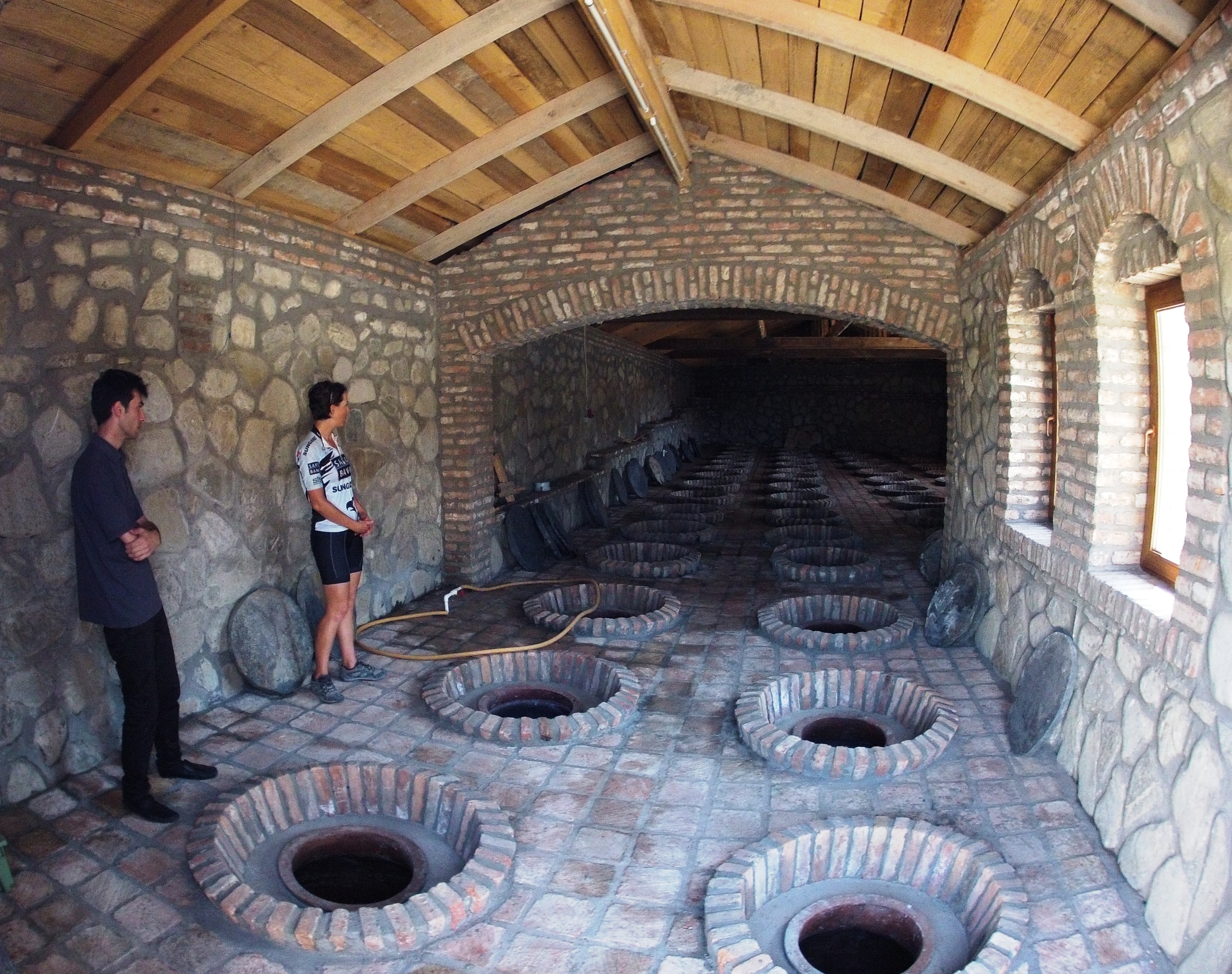
Our education into Georgian wine started well by meeting George (yes, George from Georgia), who owned an exquisite wine cellar replete with some of the country’s rarest wines. He took great pleasure in educating us on the history and variety of Georgian wine; details of which would be elaborated on here had it not been for the generous samples of said wine.  When not peddling his fine produce, George can be found relaxing in the shade listening to jazz music while smoking a cigar. Suffice to say that George is a pretty cool guy. The remainder of our exploration into the viticulture of the country wasn’t quite as successful, mainly due to the home-based nature of the industry simply not quite yet being ready for a tourist looking for a few free tasters.

Georgian wine produced in an underground qvervi

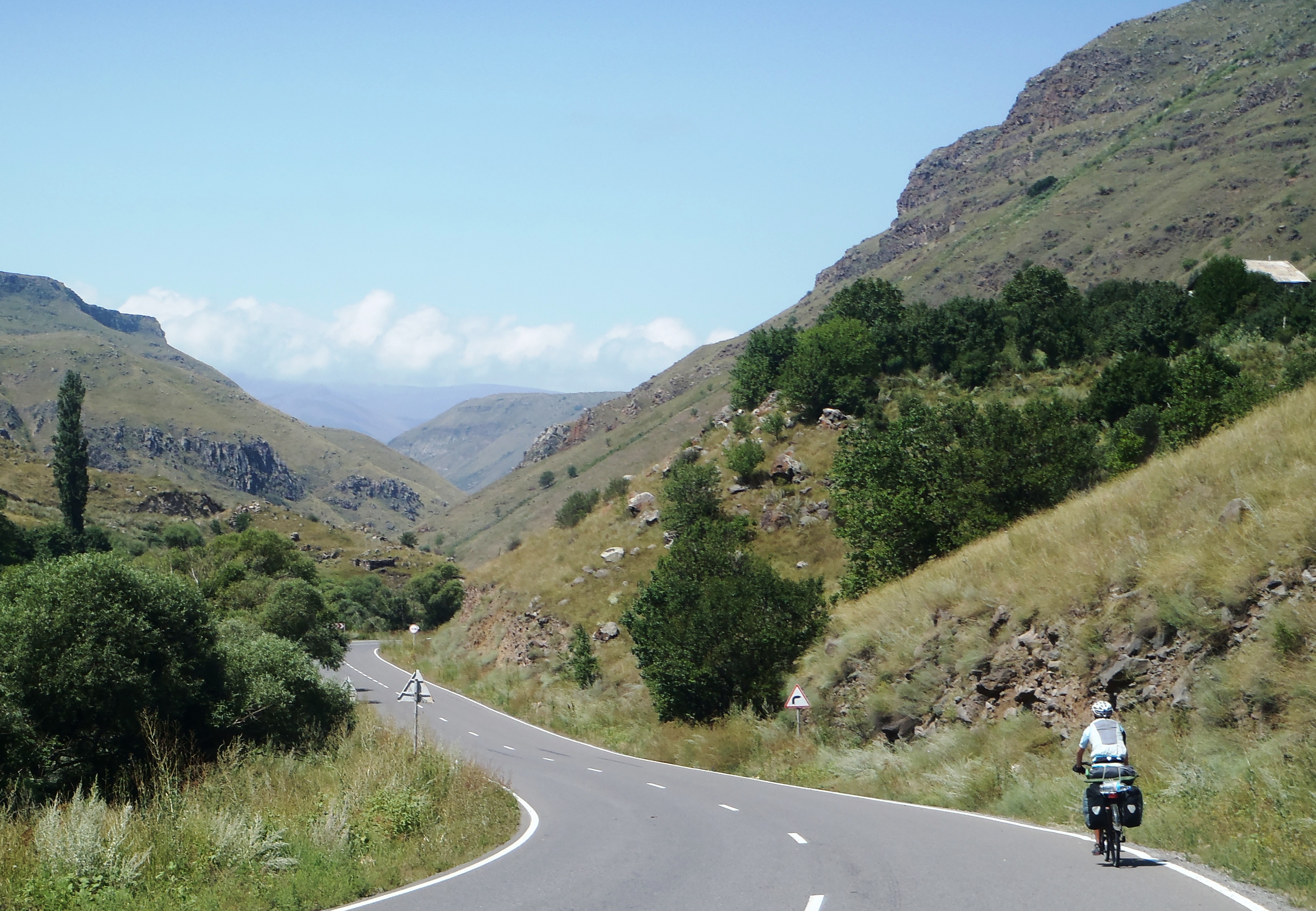
We have met more cyclists in the last fortnight than during any other part of our journey; some on a two-week holiday, some on a three-year cycling odyssey, but all clearly seeing Georgia as a bit of a draw card. And the reason for this is simple: the cycling in this country is superb. After the long desert days of Central Asia the green hills of the Caucasus Mountains offered an aesthetically pleasing, albeit leg-burning, change. Although not as grand in scale as the peaks of Tajikistan, the punchy switchbacks and punishing inclines certainly made us work for what was thankfully some entirely worthwhile descents; most notably for any keen road riders, the 60km from Akhalkalaki to Akhaltsikhe.

DCIM100GOPRO

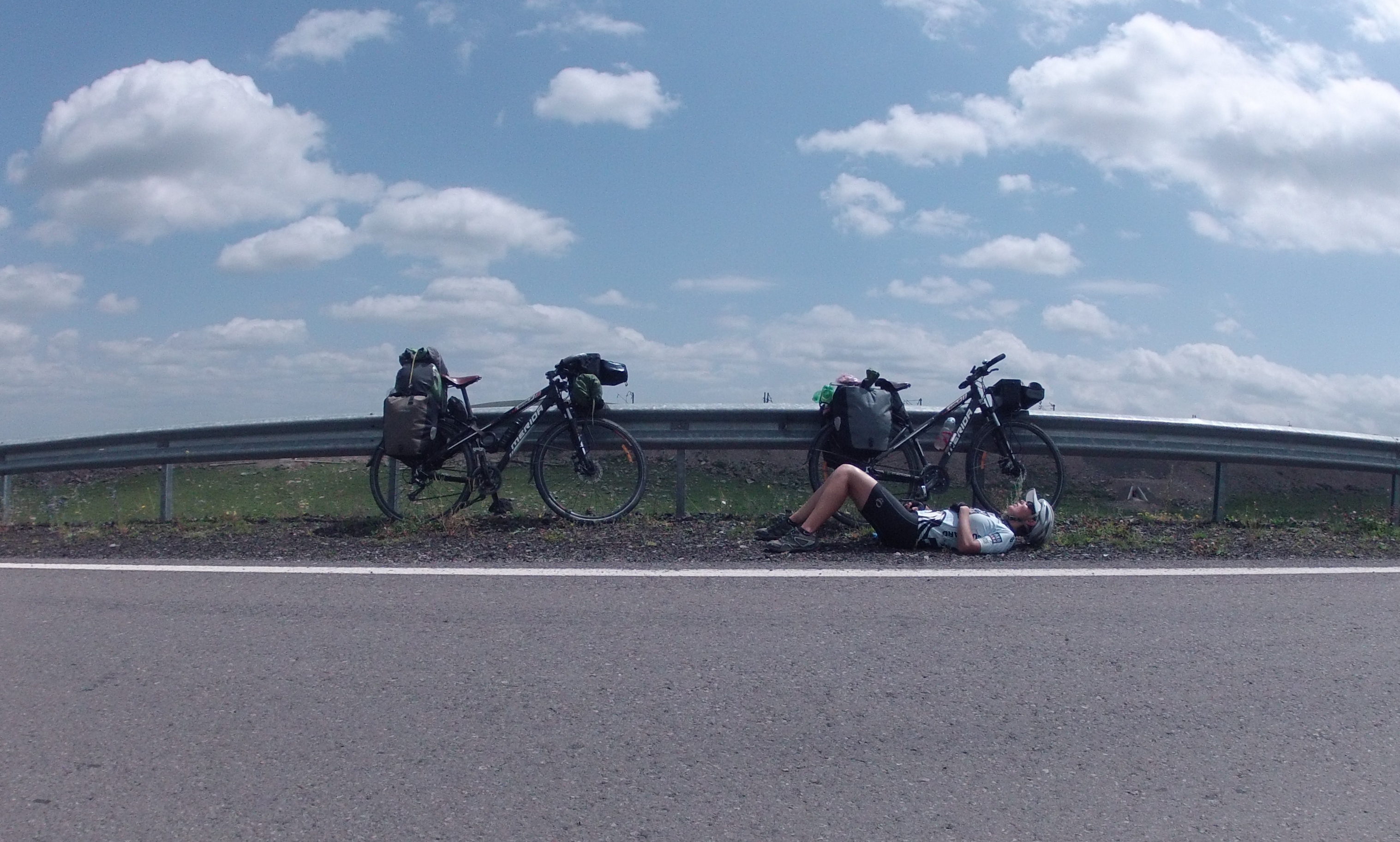
Sometimes it’s good to lie down.

A fine 60km descent.

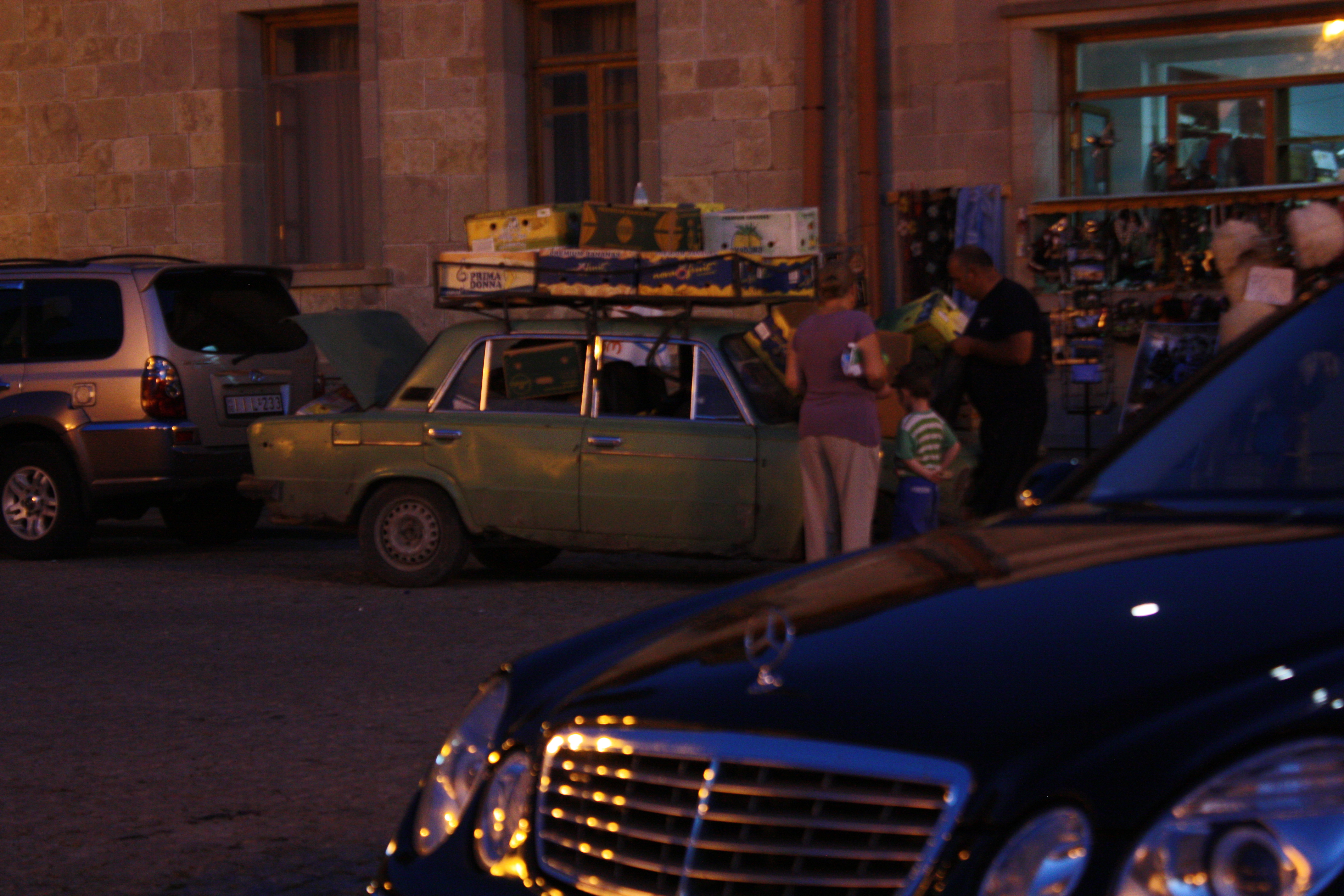
While Tbilisi seemed like a capital city full of Mercedes, espressos and people in a hurry, rural Georgia delivered an abrupt contrast where horse & cart were more common sight and where food bills were calculated using an abacus. It’s an odd dynamic for a country which has clearly undergone some pretty rapid changes since independence from the Soviets in the early ‘90s, but it does seem to have an awful lot of potential and has been added on our ‘return to one day’ list. Probably once the wineries are all up and running.

This photo sums up Georgia quite well


Georgia on my mind

This is not the Georgia that Ray Charles once sung about but someone should sing about it, because so far it has been nothing but excellent.

Georgia

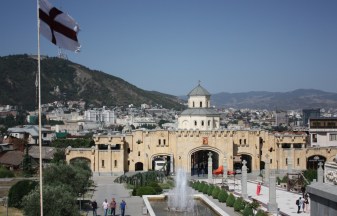
Tbilisi, Georgia.

The astute followers of this blog will note an Azerbaijan-sized gap in our records, and this is because we were unable to ever make it there. After waiting an additional ten days for a visa which would have allowed our crossing of the Caspian Sea into the port of Baku, the bureaucratic incompetence of those handling our application left us wondering whether we would in fact be celebrating New Year in Kazakhstan. As a result, Plan B was deployed; to make a beeline to Tbilisi in Georgia.  We’re not overly concerned with this omission, as by all accounts, Azerbaijan sits comfortably in the company of the likes of Qatar, Dubai and Bahrain, as statements of needless excess and inequality. And as they begin construction of the tallest building in the world (nudging Dubai’s unnecessary efforts into second place), we wish them luck with what will undoubtedly stand forever as a monument to their oil-rich ineptness and short-sightedness. Perhaps we are a little bitter about the whole affair….

Georgia has indeed been in our thoughts during the final throes of the Central Asian leg and the obvious contrast upon arrival into Tbilisi was a welcome relief to the continent we had left behind. One of the immediate observations during our first stroll around the cobbled streets of the city were the frequent and conspicuous presence of EU flags, which is odd for a country not yet part of the European Union. However, there is certainly a European feel to the place, in its architecture, people, cuisine and conveniences. In a clear sign that we had crossed some sort of cultural boundary, as we indulged in the luxuries of coffee, chilled wine and flavoured food, a fellow diner paid a restaurant bill by swiping her i-phone on the credit card machine; the closest to this we had seen in the last few weeks was an i-phone t-shirt. If ever engaged in a debate over where exactly ‘The West’ begins or ends, we can say with some confidence that the answer – at least in 2014 – is the Caspian Sea.

Wine

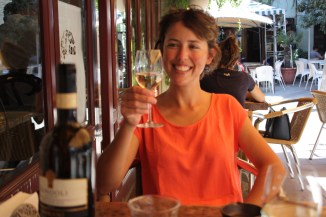
And…..everything is OK in the world again.

Notwithstanding a potentially skewed opinion from our drought of cosmopolitan cities, it would seem that Tbilisi has a lot to offer. If you live in Europe and have yet to make a Ryan Air weekend break here, this is a strong endorsement to do so.

Georgia 2

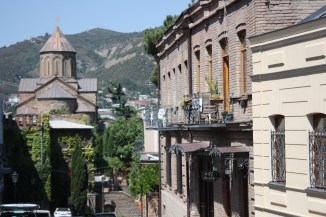
Tbilisi: a city worth a visit.


Heads or tails?

A fact to which almost any cyclist will attest, is that the prevailing wind direction can make or break a day in the saddle. A headwind can cut your speed by half and your morale by even more so. Conversely, a tailwind – pushing you forward from behind – can transform the most mediocre rider into a cycling hero, and it is on tailwind days that a career as a pro cyclist really does seem like a viable option in life.

It should be stated at this point that we have been relatively fortuitous in this regard during our journey across central Asia and have certainly enjoyed some wind-assisted miles along the way. However, the open expanses of western Kazakhstan well and truly re-balanced this particular statistic.

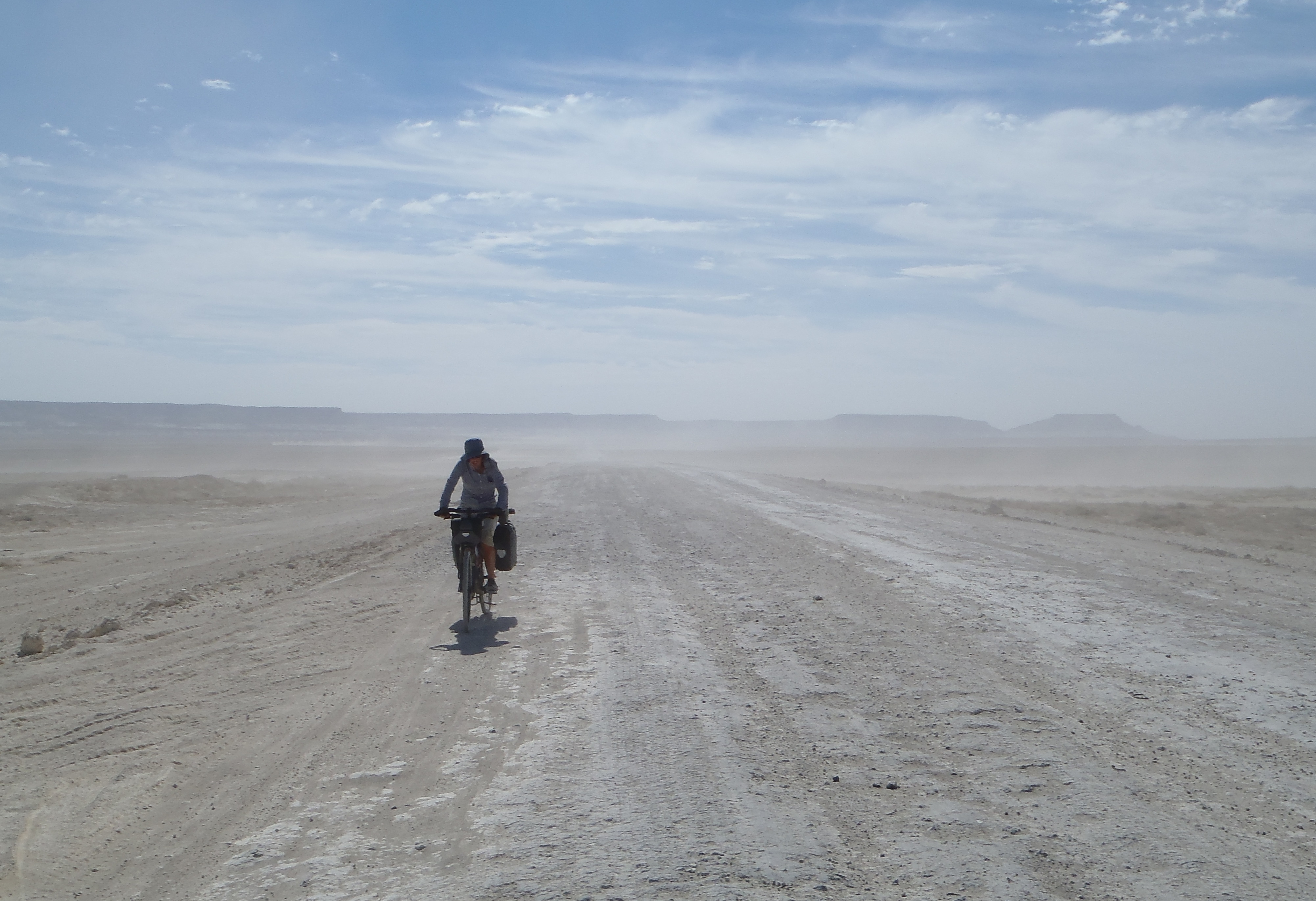
Road and desert became one.

The confident statement declaring a likely tailwind the whole way from Beyneu to the shores of the Caspian Sea proved to be spectacularly inaccurate. The relentless Kazakh headwind punched us in the face from 6am until 9pm and was interrupted only by the occasional slightly stronger gust which would knock our unstable bikes to the ground. These conditions coupled with the non-existent road, which arguably hindered progress even more so, made for an excruciatingly slow 12km/h average speed and subsequently, very long days turning pedal. Add to this the solitude created by the truly barren landscape and understandably this situation raised the obvious question as to why on earth we were doing this. There must be something in every cyclist though that takes some reward from such a (seemingly pointless) challenge, otherwise why indeed would we be doing it? As we sank our first beer for two weeks overlooking the Caspian Sea in the surprisingly bustling city of Aktau, it did finally seem like a worthwhile thing to do.

This place did not have a single Michelin star. Not even one.

End of a very long day.


Fever in Khiva

The road heading north from Bukhara gave way to a progressively arid environment as the Kyzylkum desert ensured that water management and shelter from the sun remained at the forefront of our thoughts. The road finally led to the outrageously culturally-rich walled city of Khiva, although for the less attractive half of the Detouring team, enjoyment levels were to be somewhat limited by a suspected spider bite that had been picked up on the way.

Navigation was not a problem.

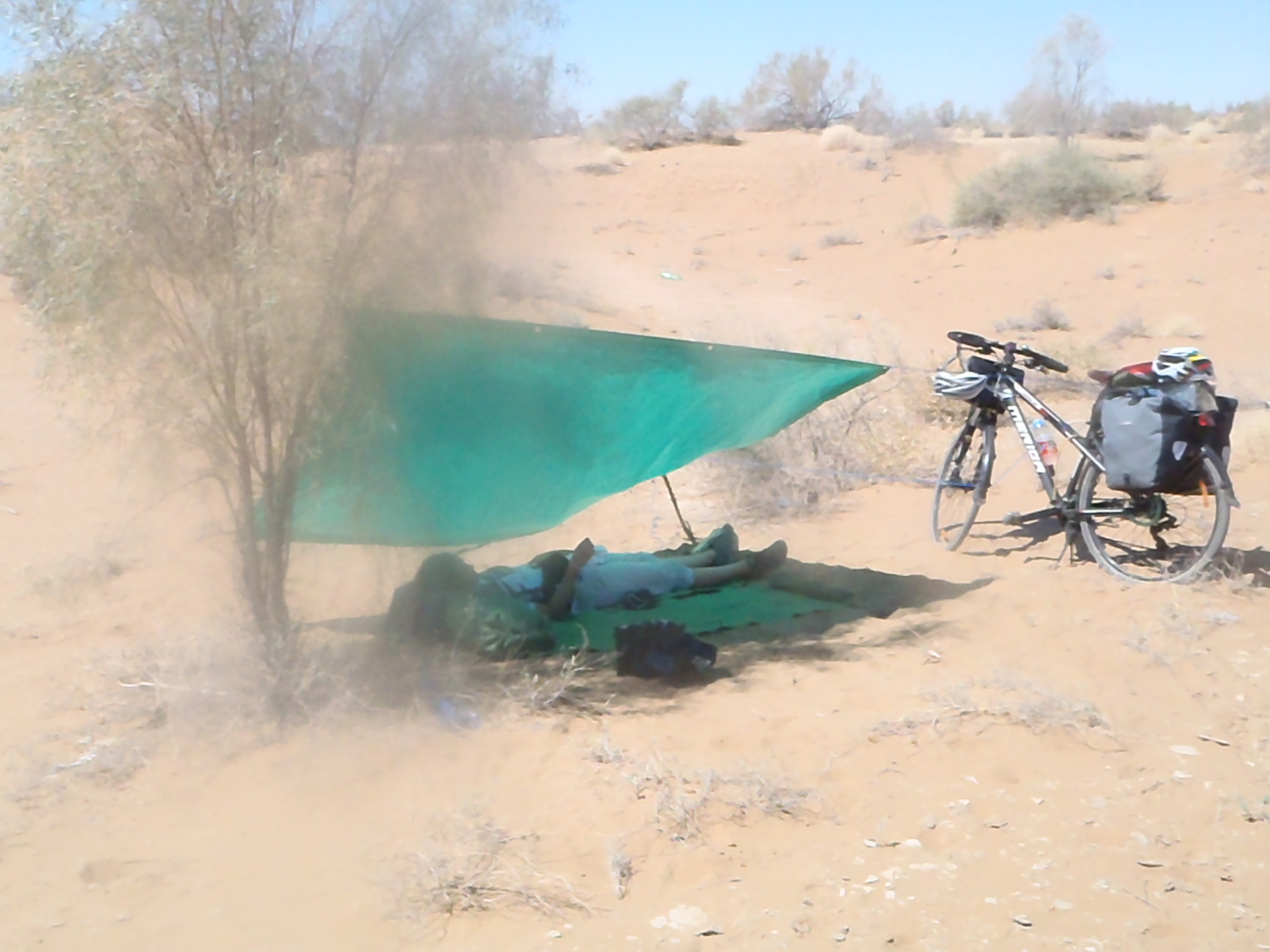
Siesta.

What began feeling as a fairly normal fatigue-induced fever soon deteriorated, and after five days with no improvement – despite throwing a combination of every medication we had at our disposal – we conceded that a consultation with the local doctor may provide some answers. In hindsight, we’d have likely had greater success back-tracking to find the guilty spider, and persuading him to suck the residual toxins out.

The doctor arrived wearing a silly hat and was accompanied by his nurse, who at 6ft 5 and with hands that would crush rocks, could easily have been mistaken for an Olympic shot putter, though the red cross fancy dress costume confirmed her place in the charade. The initial prodding and poking did not install a great deal of confidence and as we all looked at each other in puzzlement as to what those two numbers from a blood pressure reading actually mean, it was becoming apparent that this would not provide the jab-to-the-bottom panacea that had been hoped for. As recycled medical supplies from a relic of a first aid box were being prepared to take a blood sample, we quickly drew an end to the debacle before things could get any worse. Although this whole episode failed to provide any suitable solutions, it did at least allow for a moment of comic relief in an otherwise dire week.

After an agonisingly slow eight days in Khiva we were finally able to get the wheels turning and heading north once more. However, the week wasted shivering in the foetal position had scuppered our chances of making it to the border within our 30-day visa. Without wanting to risk an unnecessarily hefty fine, we rode as far north as possible before embarking on a most depressing train journey for the last few hundred kilometers through Uzbekistan. Although disappointed to have missed out on the final ride to the border, really quite delighted to be regulating body temperature once again.

The cultural corner

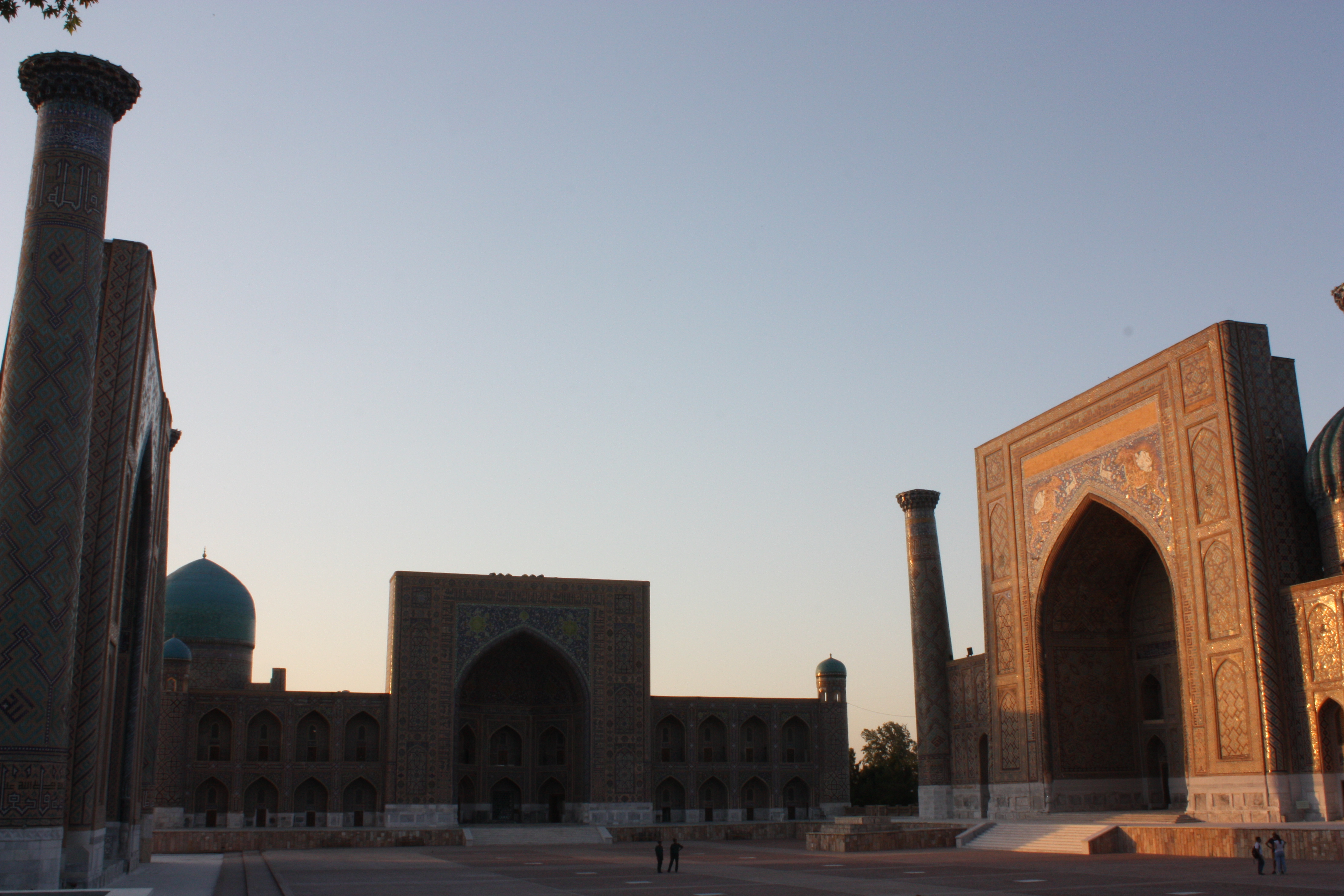
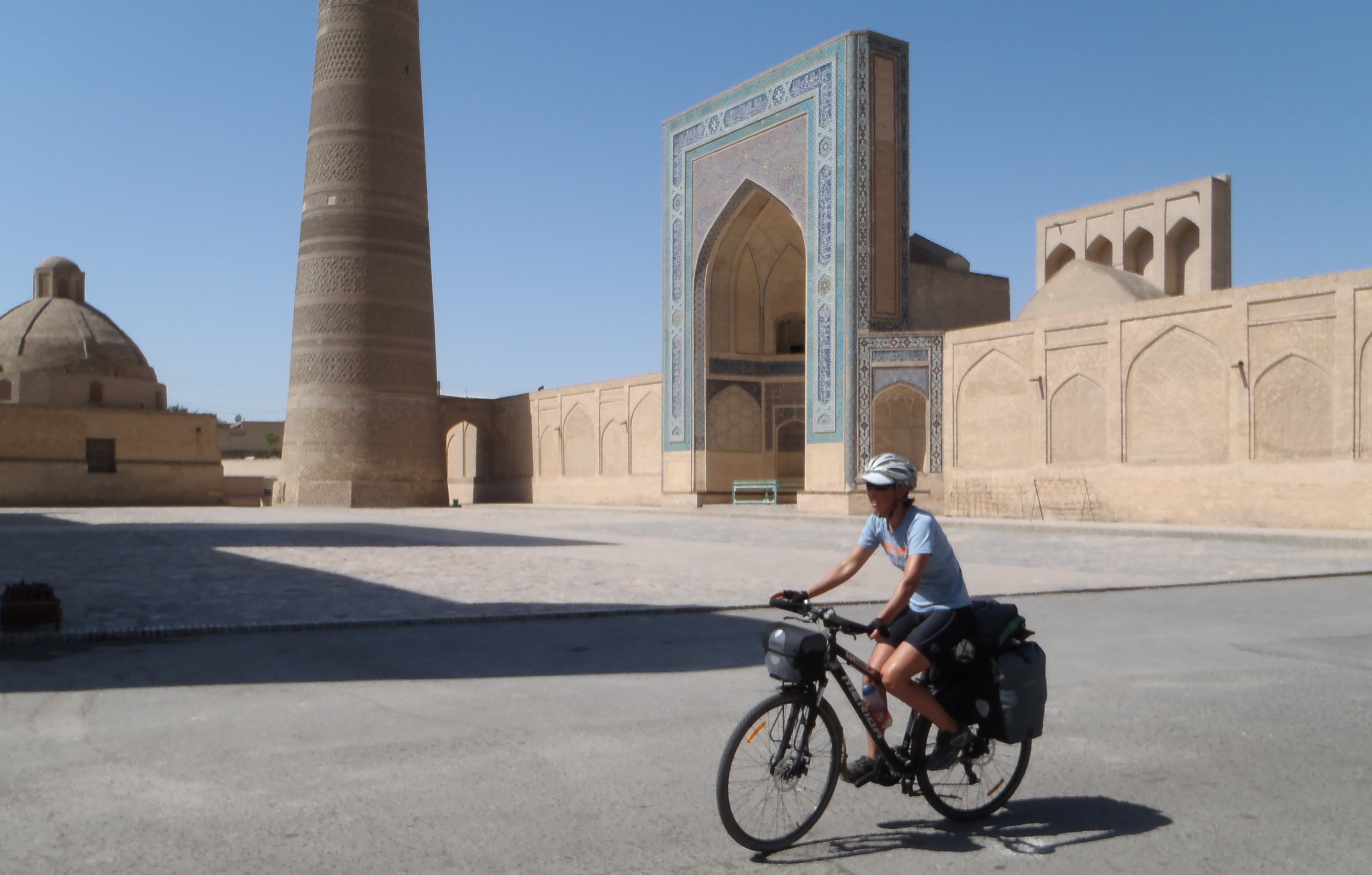
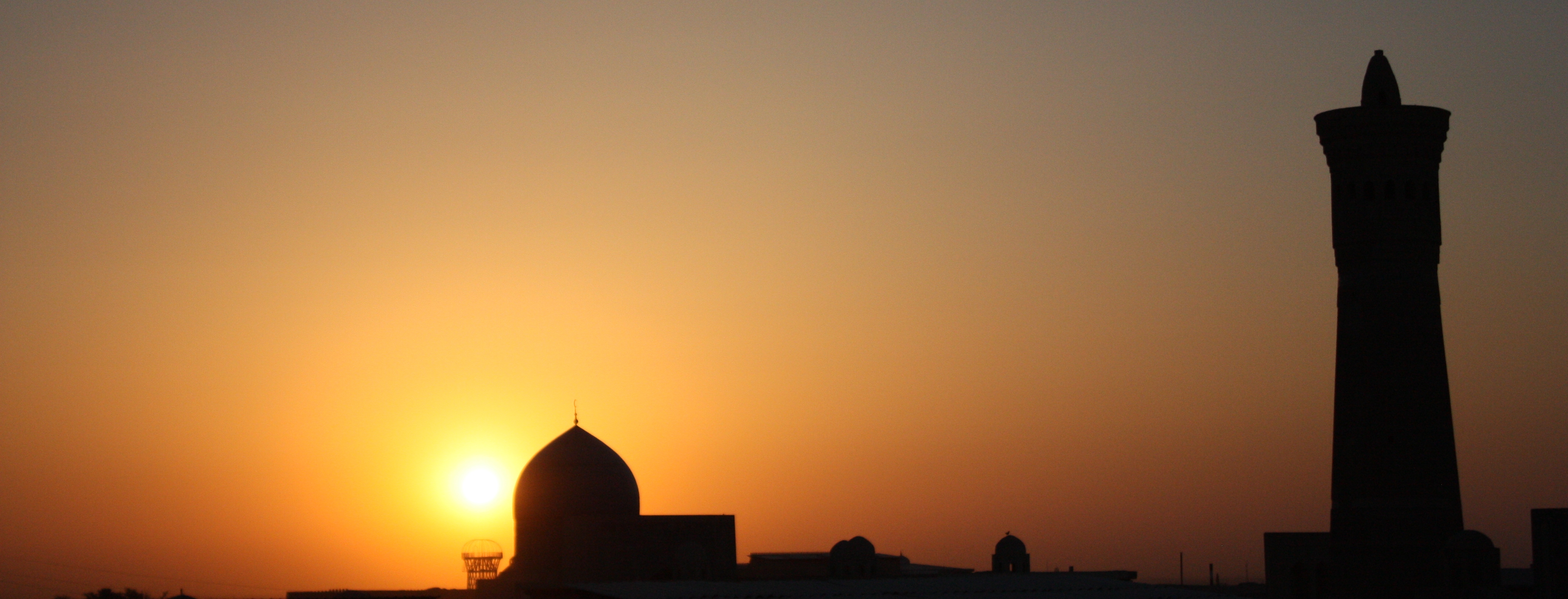
The cycling in central Uzbekistan has so far been largely uneventful. The only redeeming feature of the flat, unremarkable kilometres are that they have at least passed relatively quickly. The cities which punctuate the tedium however, are certainly far more noteworthy. At one point in history Samarkand and Bukhara were two of the most affluent and influential cities of this region, although both have also taken a bit of a hammering over the centuries; most notably from the particularly disagreeable Genghis Khan. Some impressive restoration work followed (the purists argue ultimately too much in Samarkand) and what remains is a visual spectacle.

The reasonably good-looking Registan in Samarkand.

Arrival into Bukhara.

It is difficult not to be impressed with the grandeur of the architecture dotted around these cities and it certainly makes a pleasant backdrop for our futile pursuit of a working ATM. It would be safe to say though, that we have had our fill of intricately tiled medressas, mausoleums, mosques and minarets, as we contemplate the prospect of a sandy windswept desert for the next week.

IMG_8655

People make places

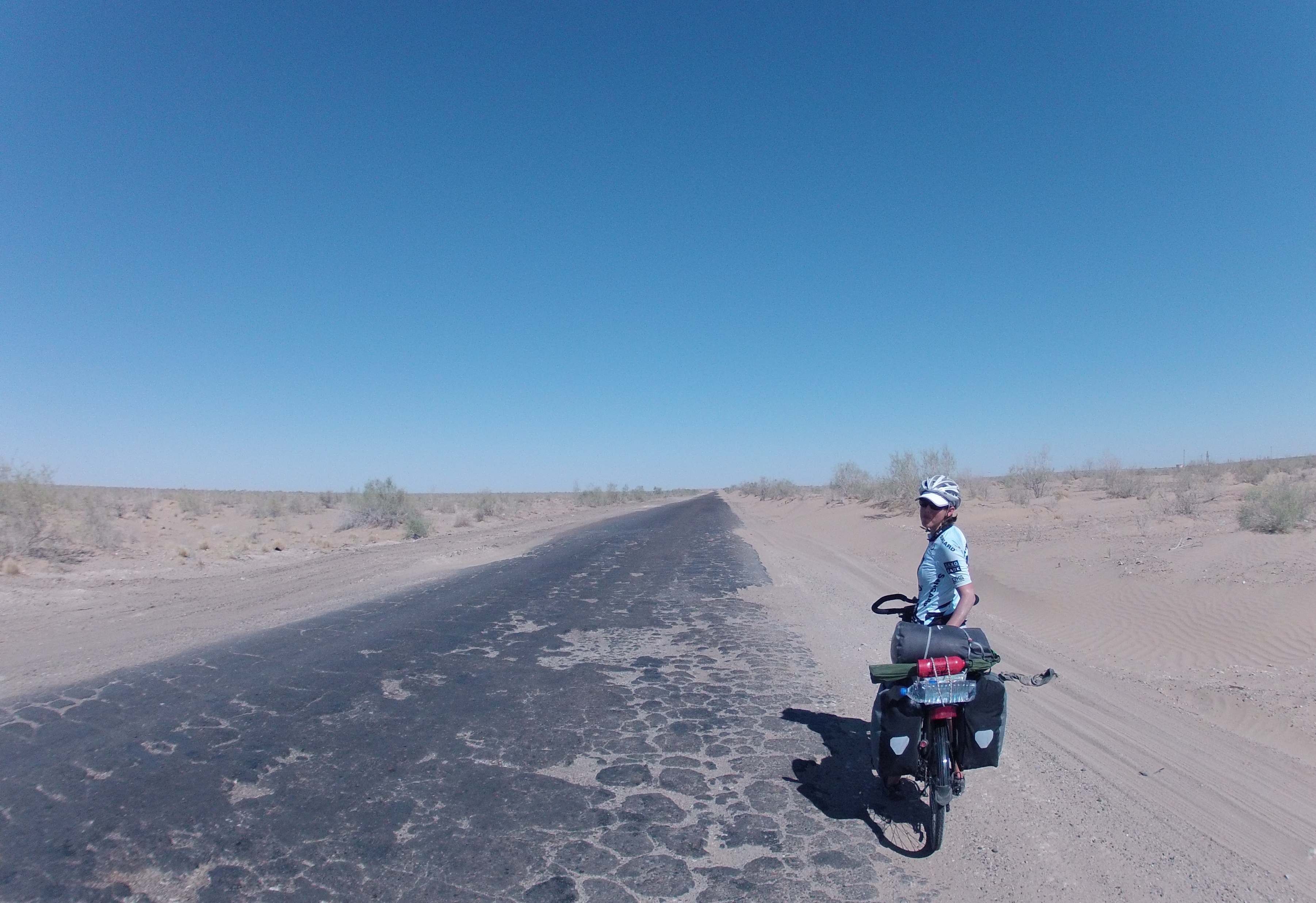
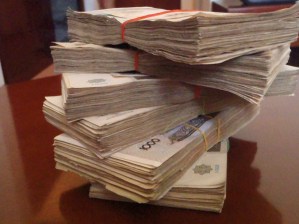
After a week spent in Uzbekistan, the obvious subject of focus would be the searing heat, rendering our modest and normally-attainable 100km per day entirely unrealistic. Alternatively, we could discuss the southern province of Surkhandarya; nestled between Tajik, Turkmen, and Afgan- istan, which has proved to be an absolute gem and delivered some spectacular riding. We could even talk about the frustrating currency of Uzbekistan, which although only moderately weak (certainly not absurdly so by global standards), has a completely inadequate maximum denomination equivalent to a mere $0.33. The upshot of this is not only the inconvenience of transporting carrier bags full of worthless paper with us, but more entertainingly, that each hotel or restaurant bill payment can be genuinely acted out like some sort of illegitimate international arms deal.

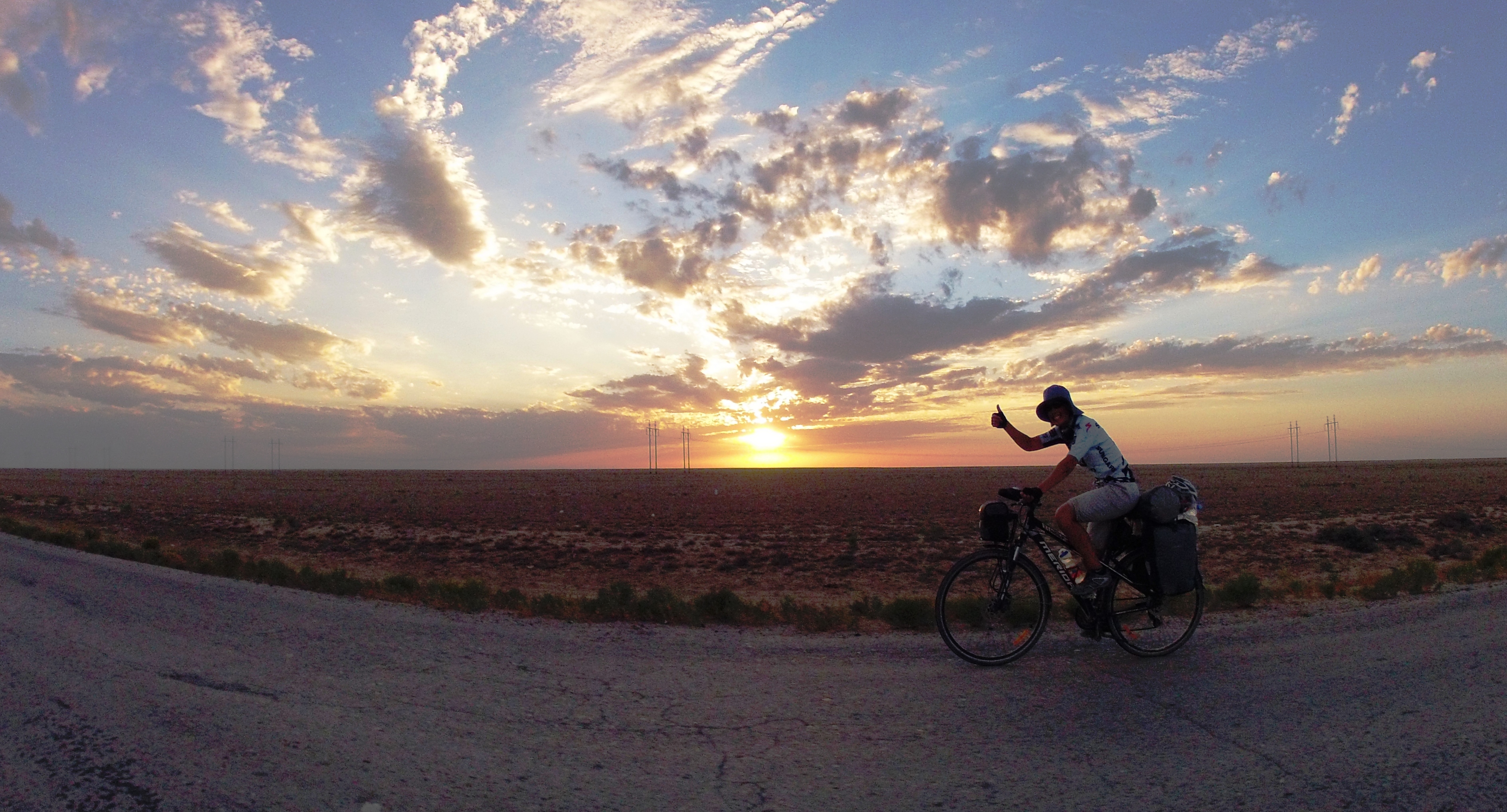
We soon adopted the dawn and dusk tactic.

Just a Mars Bar and a coke thanks…

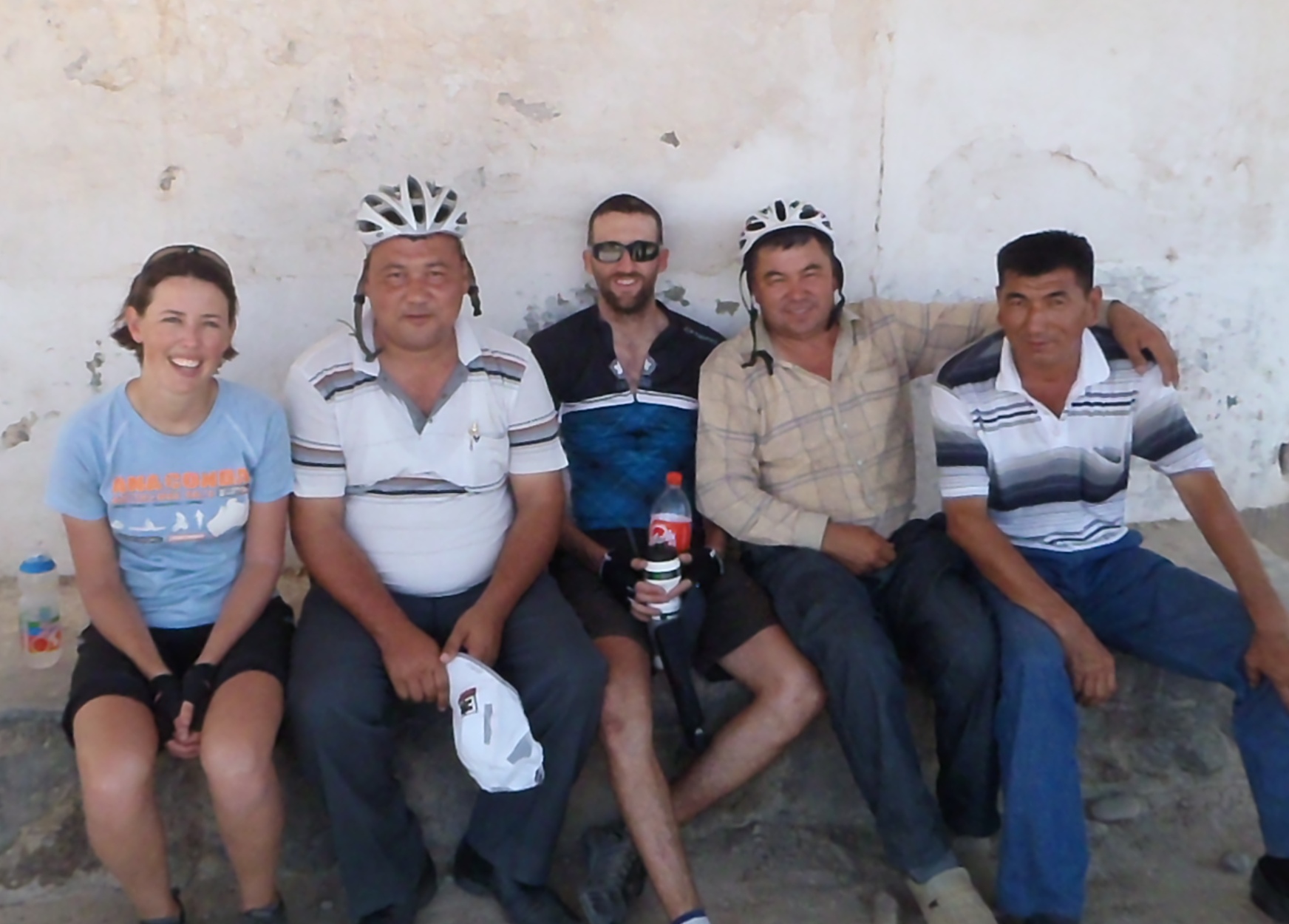
However, the recurring highlight of Uzbekistan so far has been the Uzbeks themselves. One advantage of travelling by bicycle is that you are forced to visit places that would otherwise go unnoticed. This isn’t always a good thing (in fact frequently it is not), but last week it certainly was.
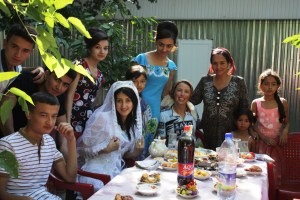
Firstly, there’s the vodka. The continual offers to join generous locals for a drop (bottle) of the local tipple have been a delight; sometimes in restaurants, sometimes in bus shelters; sometimes at 9pm, sometimes at 9am, but always welcome. We can also concede to have been saved on more than one occasion by voluntary offers of food and drink when we have been (clearly visibly) a little worse for wear after a day in the sun. And in what can only be described as a quite bizarre morning, our arrival into the small town of Boysun somehow resulted in attendance at a garden wedding reception, where our attempts to explain the absence of a gift, or in fact why we hadn’t even bothered to shower, were as fruitless as they were unnecessary. The whole thing was quite humbling and as a couple to have recently married, it certainly made us consider our own attitudes, should those roles have been reversed.

Discarding the early incidents of heatstroke, we have only praise for Uzbekistan so far.

The Vodka Boys enjoyed the helmets.

Guest of honour, with the Bride.

Downtime in Dushanbe

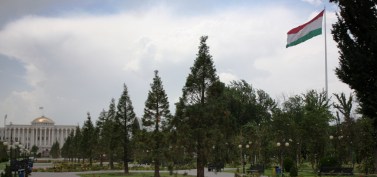
A long weekend in Dushanbe is probably enough. Ten days is almost certainly too much. During our stay here we have thankfully managed to secure our onward visas, which should in theory see us through to the Mediterranean. This time hasn’t quite been long enough though, to fully understand this capital city. We now know that Dushanbe proudly boasts the world’s tallest flag pole (161m), suffers fairly frequent (minor) earthquakes, and belongs to one of the few countries to have avoided invasion by the English at any point in its history (details here). Beyond this however, the chequered past of this country seems to have resulted in a bit of an ambiguous present

Visa success, thanks Kazakhstan.

Tall and proud.

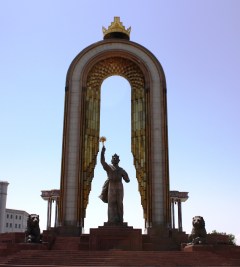
The former Soviet influence still dominates the city of Dushanbe; wide streets flanked by largely bland grey concrete buildings, and of course an abundance of enormous statues depicting historical leaders, Gods, sorcerers and the like. Add to this the spread of western capitalism, albeit a unique take on it, throw in a recent civil war over the desire to become an Islamic State, and the result is today’s Tajikistan. We have been warmly greeted by many proud locals eager to practice their English and hear of our story, but we have also been a little disturbed by some of the seemingly reprehensible characters darting around in fantastically expensive cars with blacked out windows, and without any apparent concern for the law. It seems a fairly odd dynamic – both in the capital city and the rest of the country – but one which most people seem quite content with.

Statues: the Soviets did them well.

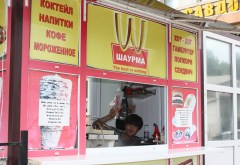
WacDonalds anyone?

Overall, Tajikistan has been kind to us; delivering some incredible landscapes and some great people, and it is a place that will certainly warrant a return trip at some point. Tomorrow we head towards Uzbekistan, which is apparently as hot as the sun at the moment.